
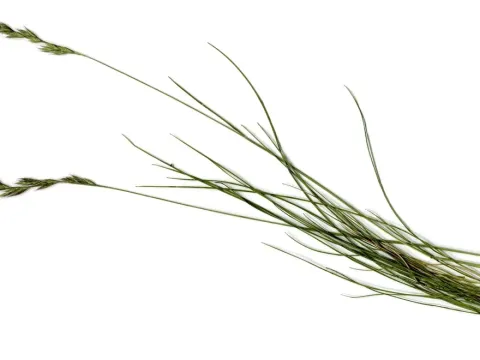
Fine-leaved fescue
Festuca microphylla
Fine-leaved fescue (Festuca microphylla) is a perennial grass species belonging to the Poaceae family. Sowing is typically performed in early spring when the soil reaches physical maturity and moisture content is sufficient to support germination.
What the section contains
Fine-leaved fescue
Late autumn sowing is also practiced to allow seeds to undergo natural stratification during the winter. This practice can lead to more uniform emergence in the early spring, which is vital for establishing a productive stand.
The seeding rate ranges between 12 to 16 kilograms per hectare, depending on the purity and germination potential of the seeds. The seeds should be planted at a shallow depth of 1 to 2 centimeters to ensure successful emergence.
Rolling the soil after sowing is a critical agronomic step to improve seed-to-soil contact. This ensures that seeds are firmly embedded, reducing the risk of desiccation and promoting even development across the field.
During the early growth stages, the grass develops slowly. Consequently, weed management through harrowing or selective methods is essential to prevent weeds from outcompeting the young grass seedlings for nutrients and sunlight.
This species is highly adaptable, though it performs best on fertile loamy or sandy loam soils. It shows good tolerance to slightly acidic conditions, making it suitable for a diverse range of agricultural land types.
Water availability is a key factor for maximizing biomass. While fine-leaved fescue exhibits some drought tolerance due to a deep root system, optimal productivity is achieved under regular rainfall or controlled irrigation.
The plant is known for its excellent cold tolerance, allowing it to thrive in regions with harsh winters. It quickly resumes vegetative growth as soon as temperatures rise in the spring, making it a reliable pasture component.
The species is light-demanding; therefore, it should not be planted in heavily shaded areas. Reduced light intensity can significantly diminish tillering capacity and result in a lower yield of high-quality forage.
The optimal temperature range for active growth is 15 to 22 degrees Celsius. When temperatures rise significantly above this range, the plant may enter a semi-dormant state to conserve metabolic resources.
The yield of fine-leaved fescue is heavily dependent on nitrogen fertilization strategies. Applying fertilizers in the spring and after each mowing significantly boosts green mass production and improves regrowth rates.
The crop is highly valued for its nutritional profile, providing a balanced source of protein and carbohydrates for livestock. It is frequently used in mixed pastures to enhance the overall quality of available forage.
Maximum productivity is usually observed during the second and third years of the stand. To sustain high yields beyond this period, interplanting with legumes is recommended to maintain soil fertility and forage quality.
The dense root system of the species contributes to soil stability and improves soil structure over time. This makes it an excellent choice for crop rotations that prioritize soil health and long-term sustainability.
Average dry matter yields range from 3 to 6 tonnes per hectare, though this can vary based on the specific soil type, climate, and level of agricultural input utilized throughout the season.
Common diseases affecting this grass include rusts and powdery mildew, which often develop in humid conditions or overly dense stands. Proper management of stand density is a primary preventive measure.
Insect pests such as cereal flies and leafhoppers can damage young shoots. This pest pressure often results in thinning stands and requires regular scouting to apply integrated pest management strategies if necessary.
Root rot diseases are more prevalent in fields with poor drainage or where water accumulates for extended periods. Improving soil aeration and avoiding waterlogging are essential strategies for protecting crop health.
Integrated disease and pest control, including sound crop rotation and the use of resistant varieties, form the foundation of a successful protection program for this culture.
- Routine field monitoring for signs of infection.
- Optimal timing of mowing to disrupt pest life cycles.
- Balanced nutrient application to avoid overly succulent growth.
Harvest timing depends on the intended end-use of the material. For high-quality hay, mowing should occur at the onset of heading, before the stems become overly fibrous and lignified.
When producing hay, effective drying is critical. Using proper raking and tedding techniques allows for uniform moisture removal, preserving the nutritional value and color of the harvested fodder.
For seed production, the crop should be harvested at the wax-ripe stage. It is crucial to monitor the field closely to prevent premature seed shattering, as fine-leaved fescue seeds are prone to falling if left too long.
Post-harvest processing involves cleaning the seeds of impurities and drying them to a safe moisture content. This ensures long-term viability and maintains the quality of the seed stock for future seasons.
Modern harvesting equipment, including windrowers and combine harvesters, can be optimized for this crop to minimize losses and ensure high efficiency during the peak harvest window.