
Fingerhuthia
Fingerhuthia
Fingerhuthia is a genus of perennial grasses belonging to the Poaceae family. These plants are primarily known for their high resilience in arid environments, making them a subject of interest for sustainable agriculture in dryland regions.
What the section contains

Fingerhuthia
Native to Southern Africa, this grass has evolved to thrive in harsh climates characterized by irregular rainfall and high evapotranspiration rates. Its natural habitat includes grasslands and savannas where it plays a key role in soil stabilization.
The plant performs best in well-drained, sandy or gravelly soils. It exhibits poor tolerance for waterlogged conditions, as the root system requires adequate aeration to prevent physiological stress and fungal proliferation during the growing season.
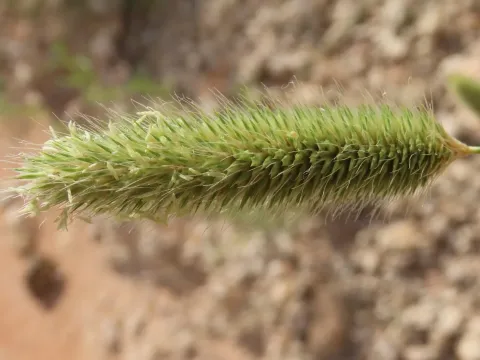
Botanically, Fingerhuthia is identified by its dense tufted growth habit and unique spike-like panicle inflorescences. This structural design helps the plant minimize water loss and protect its reproductive organs from harsh external environmental conditions.
In agricultural systems, Fingerhuthia is primarily utilized for pasture development. Its ability to withstand grazing pressure and its nutritional value during the vegetative stage make it an excellent choice for livestock feed in drought-prone areas.
Root rot caused by pathogenic fungi is a primary threat when soil drainage is insufficient. Excessive moisture leads to a rapid decline in plant health, making the maintenance of proper soil hydrology critical for long-term survival.
Pests such as cereal aphids and various grass-feeding larvae can cause significant damage to the biomass. Integrated pest management strategies, including regular field scouting, are necessary to maintain optimal forage quality throughout the season.
Weed infestation presents a major challenge during the establishment phase. Because the grass grows slowly at first, competition from invasive broadleaf species can severely stunt the development of the root system, reducing overall longevity.
Rust diseases are occasionally observed during periods of high humidity. While Fingerhuthia is generally hardy, monocultural plantings in suboptimal environments may require careful monitoring to mitigate the spread of fungal spores.
Overgrazing remains a significant threat to the longevity of the stand. To ensure the sustainability of the pasture, farmers must implement rotational grazing plans that allow the plant to recover and accumulate root reserves between consecutive grazing cycles.