


Reference · Crops
Finger millet
Eleusine
Finger millet is a warm-season crop that requires specific soil temperatures for germination. Ideally, the soil should be warmed to at least 18–20°C to ensure rapid and uniform seedling emergence.
2
items
What the section contains
Marketplace
Products in this section · 1
Finger millet
The seeding rate is usually low due to the small size of the seeds. They are sown either by broadcasting or by placing them in rows spaced about 25–30 cm apart to facilitate mechanical weeding.
Transplanting is a popular practice in some regions. Seedlings are grown in nursery beds for 3–4 weeks and then moved to the main field, which often results in higher yields and better weed control.
Preparation of the seedbed is essential. The soil must be fine-tilled to allow the tiny seeds to establish contact with moist soil particles, which is vital for the initial stage of growth.
Timing the sowing with the onset of rains is a common strategy in rain-fed areas, as the crop requires adequate soil moisture during the first few weeks of its life cycle.
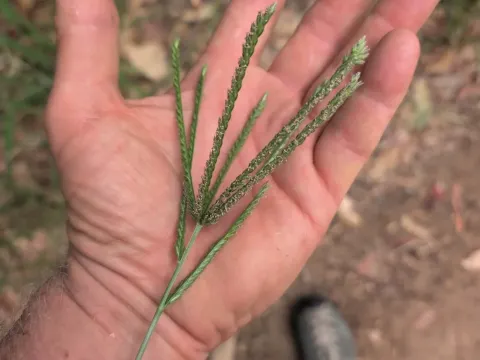
Eleusine coracana belongs to the Poaceae family and is highly valued for its ability to thrive under harsh environmental conditions where other cereals fail.
It prefers well-drained loam or sandy-loam soils but displays remarkable tolerance to various soil types, including poor, shallow, or acidic soils with a pH ranging from 5.0 to 8.0.
Finger millet is highly drought-tolerant, with a root system that allows it to extract moisture efficiently even from deeper soil layers during prolonged dry spells.
The plant requires high solar radiation for optimal development. Shading or cloudy weather can significantly reduce the photosynthetic rate and overall grain filling.
Temperature is a limiting factor; the crop performs best in temperatures between 25°C and 35°C. It is strictly sensitive to frost, which limits its commercial cultivation to tropical and subtropical zones.
Under good agronomic practices, finger millet can produce yields ranging from 1.5 to 2.5 tonnes per hectare. With the use of modern hybrid varieties and irrigation, yields can surpass 4 tonnes.
The total yield is determined by the number of productive tillers per plant. A well-managed crop can produce numerous finger-like spikes, providing a consistent supply of grain.
The grain is nutritionally dense, particularly in calcium and essential amino acids. Its ability to be stored for years without significant spoilage makes it a vital food security crop.
Apart from grain, the straw is a valuable source of livestock feed, being more nutritious than most other cereal straws, especially when harvested at the right maturity stage.
Nutrient management, particularly balanced nitrogen fertilization, is critical. While it can survive on low nutrients, moderate inputs significantly enhance the vegetative and reproductive output.
Blast disease, caused by the fungus Pyricularia grisea, is the most serious threat to finger millet. It can infect the leaves, necks, and spikes, leading to substantial yield losses.
Stem borers are the primary insect pests. They bore into the central stems, causing the central shoot to wither, which is often referred to as the "dead heart" symptom.
Aphids can also infest the crop during the early stages of growth, sucking sap and potentially transmitting viruses that stunt plant development and reduce vigour.
Integrated pest management is recommended, including the use of resistant varieties, proper crop rotation, and timely removal of infected plant debris to break the disease cycle.
- Blast disease (Pyricularia grisea)
- Stem borers (Sesamia spp.)
- Aphids
- Root rot
Harvesting typically occurs 3–5 months after planting. The crop is ready when the spikes turn from green to brown, indicating physiological maturity of the grain.
Manual harvesting is the most common method, involving cutting the spikes with a sickle. This ensures that only mature heads are harvested, as ripening in finger millet is often asynchronous.
After harvesting, the heads are sun-dried for several days to reduce grain moisture content to about 12-14%, which is necessary to prevent fungal growth during storage.
Threshing can be done manually by beating the heads or by using small mechanical threshers. The grain is then winnowed to remove chaff and other impurities.
Proper storage is essential; the grains should be kept in cool, dry places protected from moisture, insects, and rodents to maintain their high quality over long periods.