
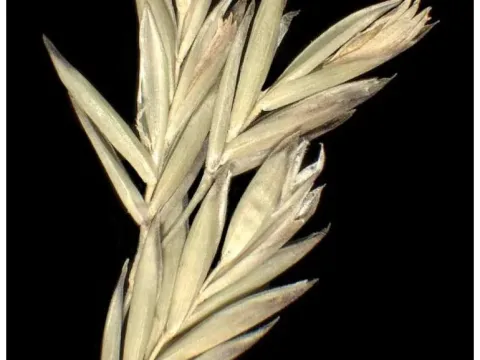
Alpine fescue
Festuca alpestris
Alpine fescue is a perennial grass species typically sown in early spring to capitalize on soil moisture levels following the winter frost thaw.
What the section contains
Alpine fescue
Autumn sowing is also a viable option in many temperate zones, allowing the seeds to undergo natural chilling requirements before spring germination.
The sowing depth must be kept shallow, specifically within the 1 to 2 centimeters range, to ensure that the small seeds do not exhaust their energy before reaching the surface.
A firm seedbed is essential for successful establishment, making rolling the soil after sowing a recommended practice to improve seed-to-soil contact.
Given its slow initial growth, weed control during the seedling stage is critical to ensure that the Alpine fescue establishes a healthy root system without competition.
Belonging to the Poaceae family, Alpine fescue is highly adapted to harsh alpine climates and can withstand significant environmental stress.
The plant thrives in well-drained, porous soils, including rocky or gravelly substrates that would be unsuitable for more demanding agricultural crops.
Hardiness is a standout feature of this species, as it excels in regions with severe winters and prolonged periods of snow cover and frost.
Alpine fescue requires full sunlight exposure to maintain its vigor and leaf density, as it does not compete well in heavily shaded or forest floor conditions.
Soil pH preference ranges from slightly acidic to neutral, reflecting the natural geochemical conditions of high-altitude mountain environments where it typically originates.
The primary utility of Alpine fescue is for pasture land management in high-altitude or nutrient-poor areas where more productive grasses fail to survive.
While biomass yield per hectare is moderate, the forage quality remains consistently nutritious throughout the summer months for grazing livestock.
It is valued for its persistence and longevity, as established stands can remain productive for many years with minimal intervention or artificial fertilizer inputs.
Beyond forage value, the dense root system serves an essential role in soil stabilization, effectively preventing erosion on sloped mountain terrains.
Proper grazing management is necessary to maintain the health of the stand, ensuring that the grass is not overgrazed during its peak growth stages.
Fungal issues such as powdery mildew are the most prevalent risks, particularly in seasons characterized by high humidity and limited airflow in the canopy.
Root rot pathogens may emerge if the soil remains waterlogged, underscoring the necessity for excellent drainage in all selected planting locations.
Insect pests including aphids and various grass bugs can damage the foliage during the growing season, potentially stunting overall plant development.
Maintaining a balanced, healthy stand density is the best cultural defense against pests, as it promotes natural resilience and vigor in the population.
When necessary, localized management through mowing or strategic grazing helps break the life cycles of typical meadow pests that inhabit the area.