
Alpine Timothy
Phleum alpinum
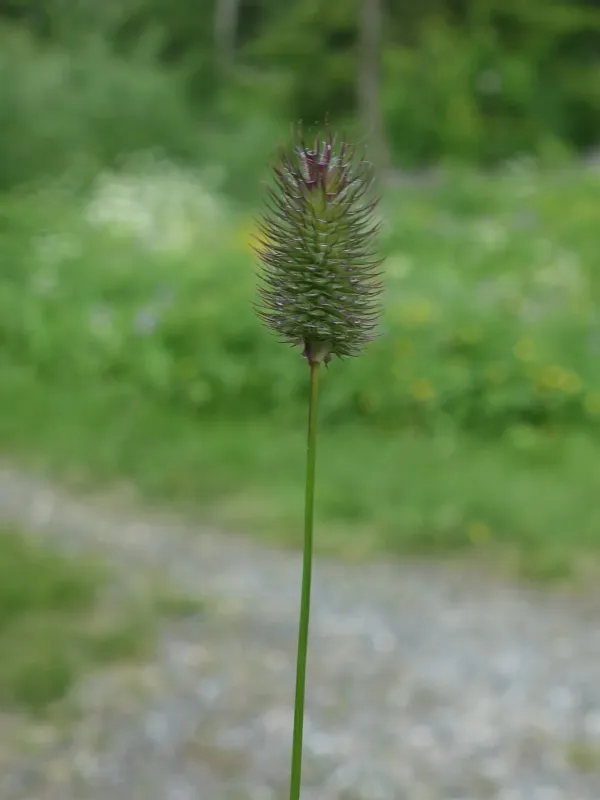
Description
Growing requirements
Alpine Timothy (Phleum alpinum) is a perennial grass species belonging to the Poaceae family. It is widely recognized as a hardy plant adapted to cold climates and high-altitude mountainous regions across the Northern Hemisphere.
The natural habitat of this grass encompasses alpine meadows and slopes where soil conditions are often rocky or nutrient-poor. Its biological resilience allows it to thrive in short growing seasons where temperatures often drop below freezing.
The crop requires moisture-retentive soils and thrives in well-lit environments. Because of its root system, it is exceptionally efficient at binding soil particles, making it an excellent choice for erosion control in steep mountainous terrain.
Botanically, it features a short, creeping rhizome and upright culms with dense, cylindrical spike-like inflorescences. The foliage is characteristically narrow and provides a dense cover that helps maintain soil moisture levels.
Agriculturally, this species is highly valued for mountain livestock grazing. Its high nutritional density during the short summer months makes it an essential fodder source for sheep, goats, and cattle grazing in alpine meadows.
Main diseases and pests
In managed alpine environments, the primary diseases affecting the plant are fungal rusts, which can occur during periods of prolonged humidity. Proper range management is necessary to maintain the vigor of the stand and reduce pathogen buildup.
Insect pests include aphids and various grass-feeding larvae that can impact leaf biomass. Managing grazing pressure is the most effective way to ensure the plant remains healthy and resistant to such minor pest outbreaks.