
Amethyst fescue
Festuca amethystina
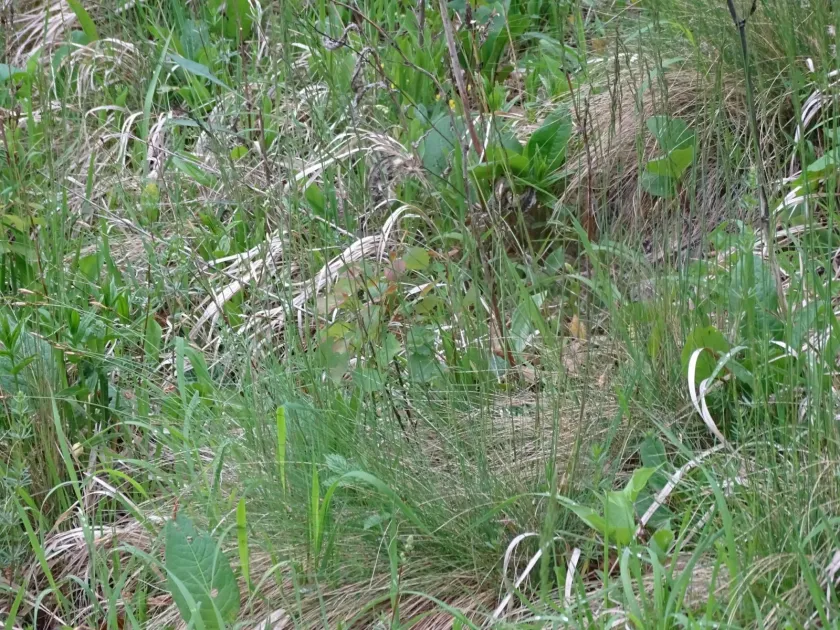
Description
Sowing dates
Seeds are best sown in early spring when temperatures remain consistently above 10-12 degrees Celsius. Alternatively, autumn sowing can be performed to allow for natural cold stratification over the winter period.
When direct seeding, cover the seeds with a light layer of soil or fine gravel to prevent them from being washed away. Maintaining moisture for the first few weeks is essential to ensure a high germination rate and steady establishment.
Starting plants in trays is another viable option, allowing for better control over the environment. Transplanting hardened seedlings into the garden in late spring or early summer significantly reduces mortality and competition from faster-growing weeds.
Propagation through division is highly recommended for established clumps. This should be done during the dormant period or early spring before the new growth starts, which allows the plant to focus its energy on rooting in the new location.
Spacing should be tailored to the desired aesthetic effect. A grid of 20 centimeters is ideal for ground cover, while spacing them further apart allows each plant to showcase its distinctive mounded shape, often utilized in rock garden settings.
Growing requirements
Amethyst fescue (Festuca amethystina) is a perennial member of the Poaceae family. It is recognized for its neat, mound-forming habit and its ability to maintain a compact shape throughout the entire growing season.
Native to Central and Southeastern Europe, this plant is naturally adapted to rocky habitats, limestone slopes, and open woodlands. Its biological resilience stems from these harsh environmental origins, making it a robust choice for gardens.
The plant thrives in full sun and requires well-drained soil. It is highly drought-tolerant once established, making it suitable for xeriscaping or areas where water conservation is a priority in the landscape design.
In terms of soil quality, Amethyst fescue prefers neutral to slightly alkaline conditions. It does not tolerate waterlogging, so soil structure must be porous; incorporating grit or sand is recommended if the local soil is heavy or clay-based.
It displays excellent cold hardiness, surviving winters in various temperate climates without additional protection. It does not require high-fertility soil and actually performs better in lean, low-nutrient substrates, which prevents floppy growth.
Yield
The primary use of Amethyst fescue is ornamental, making it a staple in landscape architecture. It is widely used to soften the appearance of pathways, borders, and gravel gardens where its unique leaf color adds texture and contrast.
Due to its dense root system, the plant is functional for erosion control on slopes. It helps stabilize loose soil while requiring almost no maintenance, which is an advantage over turf-forming grasses that need frequent mowing.
While not cultivated for fodder, its ability to thrive in nutrient-poor environments makes it a valuable species for ecological restoration in rocky terrains where other vegetation would fail to establish and provide cover.
Seed harvesting requires careful timing, as the panicles ripen unevenly. Once the seeds turn a straw color, they should be collected and dried in a well-ventilated area to prevent molding and ensure high viability for subsequent seasons.
Amethyst fescue is a long-lived perennial, often lasting over a decade in the same spot. Periodically dividing old clumps is the key to maintaining their vigor and preventing the center of the plant from dying back over time.
Main diseases and pests
The biggest threat to Amethyst fescue is excessive moisture, especially during the winter. Standing water around the crown can lead to root rot; therefore, ensuring proper slope or drainage is the most effective preventative measure.
Rust diseases can occur if the plant is grown in humid, poorly ventilated conditions. Reducing plant density and avoiding overhead irrigation during stagnant weather are the best ways to mitigate this fungal risk.
Pests are generally not a significant concern. However, in extremely hot and dry summers, mites might occasionally affect the leaves. If observed, simple grooming by cutting back the foliage can often solve the problem without chemical intervention.
Annual spring grooming is a vital part of the maintenance cycle. Removing dead foliage with a rake helps air reach the crown and clears away potential habitats for pests or fungal spores that may have overwintered in the clump.
Chemical control is rarely necessary for this species. Its natural resistance makes it an excellent candidate for low-impact, sustainable gardening practices where chemical inputs are kept to an absolute minimum or eliminated entirely.