
Alpine bent
Agrostis alpina
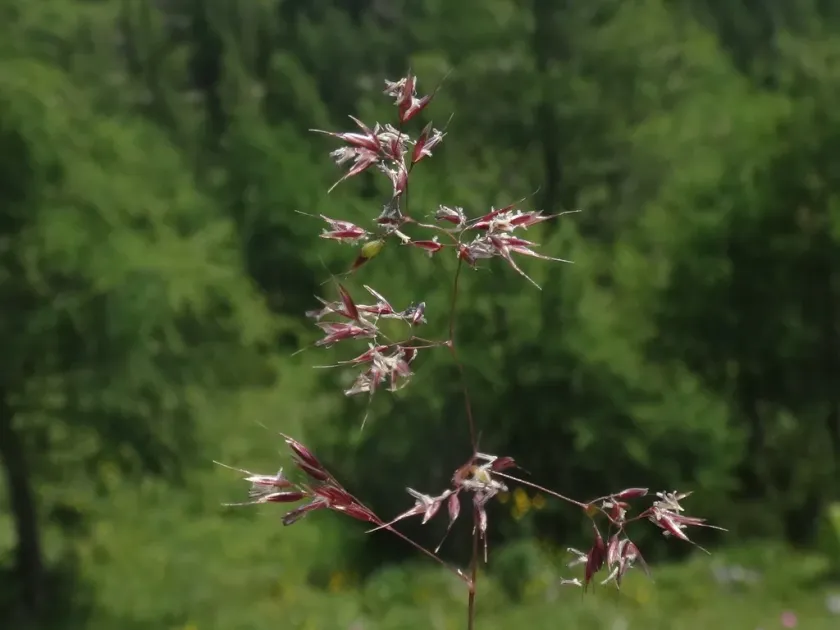
Description
Growing requirements
Alpine bent (Agrostis alpina) is a perennial grass species belonging to the Poaceae family. It is a specialized high-altitude plant that has evolved to survive in the rugged terrain and variable climates of mountain regions.
The plant exhibits remarkable hardiness against extreme temperature fluctuations, including frost and high-altitude radiation. It thrives in open, sunny locations where it can maximize photosynthesis during the short growing season characteristic of high-mountain zones.
In terms of pedological requirements, Agrostis alpina prefers well-drained, slightly acidic to neutral soils. It is particularly well-suited for stony and gravelly substrates where other grass species struggle to establish themselves due to limited nutrient availability.
From an agronomic perspective, this grass is vital for erosion control on mountainous slopes. Its dense root network stabilizes the topsoil effectively, making it an excellent choice for environmental restoration and the improvement of natural grazing lands in elevated areas.
Although it is not a primary industrial crop, its value in sustainable agriculture is high due to its resilience. It is often included in seed mixtures for permanent pastures, providing a consistent source of forage that regenerates well under controlled grazing pressure.
Main diseases and pests
The primary threats to this grass include fungal pathogens like rusts and powdery mildew, which tend to proliferate in stagnant, humid microclimates. Managing the density of the sward is the most effective cultural method to prevent widespread outbreaks of these diseases.
Insect pests such as cereal flies and grasshoppers can negatively impact the plant's development during the vegetative stage. Sustainable management, including integrated pest monitoring and controlled stocking rates, remains the best defense against significant population damage.