
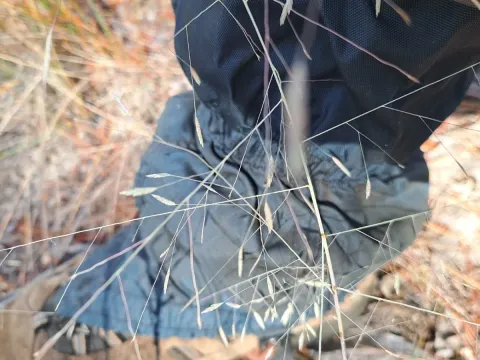
Eragrostis refracta
Eragrostis refracta
Sowing of Eragrostis refracta should be performed in the spring season when soil temperatures reach 15-18 degrees Celsius, ensuring rapid germination.
What the section contains
Eragrostis refracta
Maintaining a moist seedbed is critical for success, as the small size of the seeds makes them highly susceptible to desiccation during the emergence phase.
The optimal planting depth is approximately 1-2 centimeters, providing the seedlings with sufficient energy to penetrate the soil surface effectively.
Seeding rates should be adjusted based on the specific end-use, with higher densities typically required for hay production compared to grazing pastures.
In regions prone to late frost, it is advisable to delay seeding until stable warm weather is established to protect the delicate early growth stages.
This species, belonging to the Poaceae family, thrives best in sandy or sandy-loam soils that offer excellent drainage and aeration for the root system.
Eragrostis refracta demonstrates significant tolerance to acidic soil conditions, though it performs optimally in neutral to slightly acidic environments.
Exposure to full sunlight is essential for the plant's development, as it struggles to compete when shaded by taller, more aggressive neighboring plants.
The plant is highly regarded for its drought resistance, allowing it to maintain growth during periods of limited rainfall throughout the summer season.
Strategic nitrogen fertilization can significantly boost biomass production, supporting vigorous growth during the active vegetative phases of the plant.
The total forage yield is closely linked to soil fertility levels and the adherence to recommended fertilizer application schedules during the growing season.
With proper management, the crop is capable of providing multiple cuttings per year, making it a reliable source of green matter for livestock feed.
Yield stability is maintained by implementing rotation grazing or harvesting schedules that prevent over-exploitation and stress on the grass stand.
The quality of the hay is rated as moderate, with high leafiness contributing positively to the palatability and nutritional profile for grazing animals.
Achieving a high seed yield requires favorable pollination conditions and precise timing during the harvest phase to prevent natural seed shedding.
The primary threats to the crop include fungal infections, which are more prevalent under conditions of high humidity and restricted airflow within the stand.
Pests such as cereal flies and aphids can cause damage during the active tillering stage, necessitating vigilant monitoring to prevent significant growth suppression.
Weed competition presents a major challenge during the establishment phase, requiring either mechanical weeding or careful herbicide application.
Improper grazing practices or cutting too low can damage the plant's crown, resulting in a thinner stand and reduced longevity of the crop.
Root rot diseases may occur in poorly drained, heavy soils, making site selection and adequate drainage essential components of successful management.
The optimal harvest window for hay is the early flowering stage, as this is when the concentration of essential nutrients is at its peak.
Mowing should be carried out at a height of 5-7 centimeters to ensure rapid recovery and promote vigorous regrowth from the remaining stubble.
For seed production, harvesting should occur once the spikelets reach full maturity, employing specialized equipment to minimize losses from shattering.
Effective drying of the harvested material is crucial to prevent molding and ensure the nutritional integrity of the hay is preserved for storage.
Post-harvest management involves clearing the field of debris to facilitate better access to nutrients and light for the plants' overwintering success.