
Eragrostis papposa
Eragrostis papposa
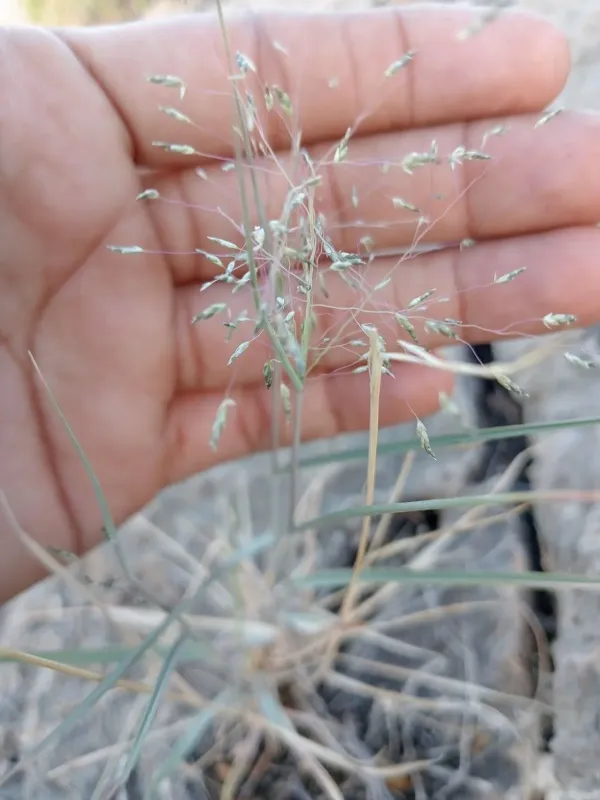
Description
Growing requirements
Eragrostis papposa is a perennial grass species belonging to the Poaceae family. It is recognized for its remarkable ability to thrive in challenging arid and semi-arid environments where water availability is highly inconsistent.
The crop prefers well-drained soils, thriving particularly well in sandy, gravelly, or loam substrates. It possesses a sophisticated root system designed to extract moisture from deep soil layers, providing an advantage during prolonged dry spells.
Adaptability to diverse climatic conditions is a core trait of this species. It is highly resistant to extreme heat and intense solar radiation, which makes it a sustainable choice for cultivation in hot, dry tropical and subtropical regions.
The plant exhibits significant tolerance to low nutrient levels in the soil. While it responds positively to basic fertilization, it can maintain vegetative stability in soils that are naturally depleted or have low organic matter content.
Proper aeration is essential for the healthy growth of Eragrostis papposa. Waterlogged conditions are detrimental and should be avoided, as the plant is highly susceptible to root decay when exposed to standing water for extended periods.
Yield
In agricultural practice, Eragrostis papposa is primarily valued as a reliable forage crop. It serves as an essential source of nutrition for livestock, particularly in regions where traditional fodder crops fail due to heat and drought.
The productivity of the grass is most efficient during the vegetative growth phase. When grazed or harvested before the onset of reproductive maturation, the nutritional quality remains optimal for both cattle and small ruminants.
The species is known for its quick regeneration capacity after grazing, provided that rotational grazing techniques are applied. This resilience ensures a continuous supply of fodder throughout the growing season.
For long-term management, farmers often prioritize the protection of the plant during its establishment phase. Once the root system is fully developed, the crop shows excellent resilience against environmental stress and moderate grazing pressure.
Besides forage utility, the plant is frequently used for soil conservation purposes. Its robust root network helps bind sandy soils, preventing wind erosion and contributing to the gradual improvement of soil structure over time.