
Eragrostis spectabilis
Eragrostis spectabilis
Description
Sowing dates
Sowing Eragrostis spectabilis is best performed in late spring when soil temperatures consistently reach 15–18 degrees Celsius. The seeds require light for germination, so they should be sown on the surface and pressed lightly into the soil without deep coverage.
Optimal timing for open-field seeding is late May, once the danger of late frost has passed. In warmer climates, dormant fall seeding can be used to leverage natural cold stratification, which significantly improves germination rates in the spring.
For container-grown seedlings, start in early March using a well-draining seed-starting mix. Keep the environment humid and provide ample light to prevent the seedlings from becoming leggy or weak.
Before sowing, ensure the field is free of perennial weeds, as the young grasses are not competitive in their early development stages. Pre-plant herbicide application is a common practice to establish a clean seedbed.
The recommended planting density for established seedlings is approximately 6–9 plants per square meter to ensure a lush, uniform appearance in landscaping applications.
Growing requirements
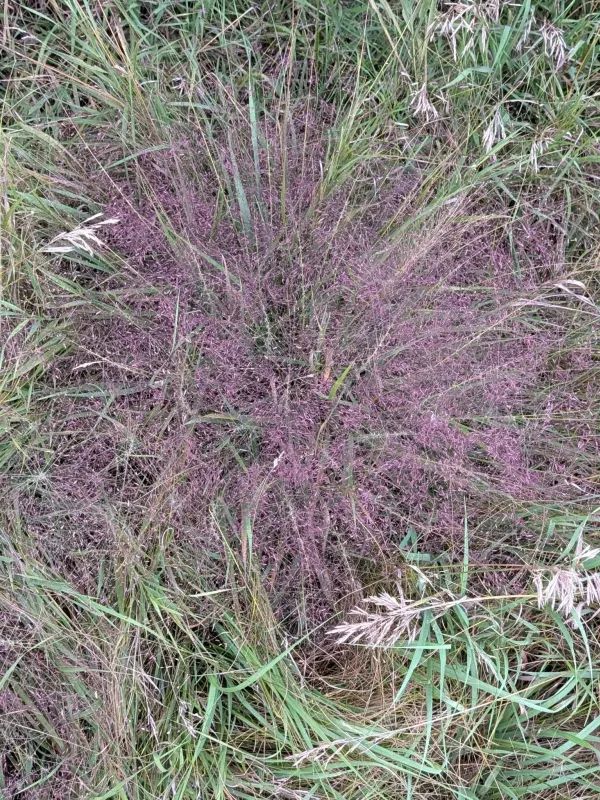
Eragrostis spectabilis, commonly known as purple lovegrass, belongs to the Poaceae family. It is a warm-season perennial grass native to the prairies of North America, adapted to harsh, dry conditions.
The plant thrives in poor, sandy, or rocky soils with excellent drainage. It is highly sensitive to waterlogged conditions, which often lead to crown rot during winter months, making site selection critical for survival.
Full sun is essential for the plant to reach its peak aesthetic potential. In shady environments, the foliage loses its vigor, and the characteristic purple, cloud-like inflorescences fail to develop their intense coloration.
This species is well-adapted to low-fertility soils and generally does not require supplemental nitrogen fertilization. Excessive nutrient input often results in weakened stems and reduced drought tolerance.
The plant exhibits high climatic adaptability, surviving in various zones provided the soil moisture profile is strictly controlled, specifically avoiding stagnant moisture during the transition into winter dormancy.
Main diseases and pests
Eragrostis spectabilis is generally resistant to most common agricultural pests and diseases. Its tough, xerophytic nature provides a natural defense against many foliage-eating insects and fungal pathogens.
The most significant threat is improper soil moisture management. Fungal diseases related to root rot can occur if the substrate remains waterlogged for extended periods, especially in heavy clay or high-humus soils.
In humid regions, rust may occasionally appear on the leaves during late summer. Proper ventilation and selecting an open, airy planting site are effective preventive measures against these fungal outbreaks.
Invasive weed pressure remains a threat during the establishment year. Once the grass is fully established, its deep root system makes it highly competitive, effectively suppressing nearby annual weeds through resource competition.
Occasional herbivore browsing by deer or small mammals may occur, but the species is generally considered unpalatable due to the texture and chemical composition of the foliage.
Harvesting
In agricultural and ornamental settings, harvesting is primarily focused on the collection of inflorescences for dried flower arrangements. The ideal harvest time is when the purple panicles are fully expanded but before they begin to shed seeds.
Harvesting should be conducted during dry, mid-day conditions to prevent excess moisture from compromising the dried product. Hang the stems in a cool, dark, and well-ventilated area to maintain their structural integrity.
Maintenance harvesting in landscaping involves the removal of dead biomass. This should be performed in late winter or early spring before the appearance of new, green basal shoots.
Standard practice involves cutting the dried clumps back to a height of 10–15 centimeters. This process prevents the accumulation of old thatch and promotes vigorous growth during the subsequent warm-season cycle.
Seed collection for propagation should be completed when the panicles start turning tan, ensuring that the seeds are fully mature before being harvested and cleaned for storage.