
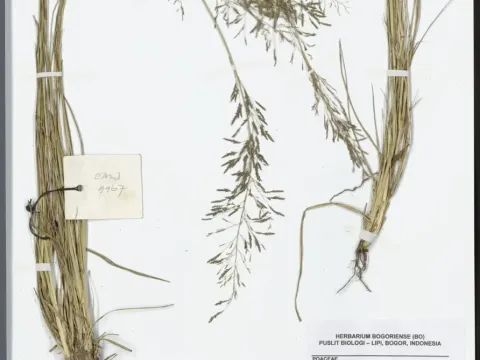
Eragrostis patula
Eragrostis patula
Eragrostis patula is a heat-loving crop, requiring soil temperatures to reach at least +15…+18°C at the seeding depth for successful germination.
What the section contains
Eragrostis patula
Sowing should be timed for late spring once all risks of frost have passed, ensuring a stable thermal environment for early plant development.
Given the tiny size of its seeds, the preparation of the seedbed is critical; seeds should be sown at a shallow depth of 1–2 centimeters.
Firming the soil after sowing helps establish good soil-to-seed contact, which is essential for moisture uptake in drier soil conditions.
The seeding rate should be calibrated to support high tillering, which allows the crop to establish a thick, uniform canopy quite rapidly.
As a member of the Poaceae family, Eragrostis patula is highly adaptable, demonstrating excellent growth even on sandy and nutrient-poor soils.
This crop thrives in full sun exposure and is highly sensitive to shading, which significantly reduces its biomass accumulation and quality.
It displays remarkable drought tolerance, making it an ideal choice for regions with limited water resources or irregular rainfall patterns.
While tolerant of various soil pH levels, the plant responds positively to improved soil fertility and moisture availability during the active growing phase.
The plant's efficient root system contributes to soil structure improvement, making it a beneficial component in various agricultural crop rotation systems.
The biomass yield of Eragrostis patula is significantly enhanced by nitrogen fertilization, which fuels rapid vegetative regrowth throughout the season.
With proper management and occasional irrigation, the crop is capable of producing multiple cuts, ensuring consistent fodder supply for livestock.
The plant's high regeneration speed after harvesting makes it a productive option for intensive forage management programs in diverse environments.
The nutritional value is best preserved when the crop is harvested before full maturity, specifically before the stems become overly fibrous and coarse.
Seed yield is also a relevant consideration for producers interested in maintaining their own seed stocks for future planting operations.
Eragrostis patula exhibits natural resistance to many standard cereal diseases, reducing the need for chemical fungicide interventions.
The main threat to young stands is typically posed by soil-borne pests that can cause thinning in the early establishment phase of the crop.
Under conditions of excessive moisture and high humidity, there is a minor risk of fungal infections, although these are rarely of economic significance.
Weed control is of primary importance during the first few weeks after germination, as the plant initially invests its energy in root development.
Regular field scouting allows farmers to detect any potential pest or disease outbreaks early, ensuring that the crop remains healthy and productive.
Harvesting for forage should be conducted in the heading phase to ensure the optimal balance between biomass volume and nutritional quality.
For hay production, rapid drying in the field is necessary to prevent spoilage and nutrient loss resulting from prolonged exposure to humidity.
Modern harvesting machinery ensures efficient cutting and collection, reducing mechanical losses and improving the overall economic outcome.
Seed harvesting requires careful timing; the crop should be combined when the lower portions of the panicles show clear signs of maturity.
Strategic harvest management is key to maintaining the high feed value of the crop, directly supporting the productivity of livestock operations.