
Eragrostis rigidor
Eragrostis rigidor
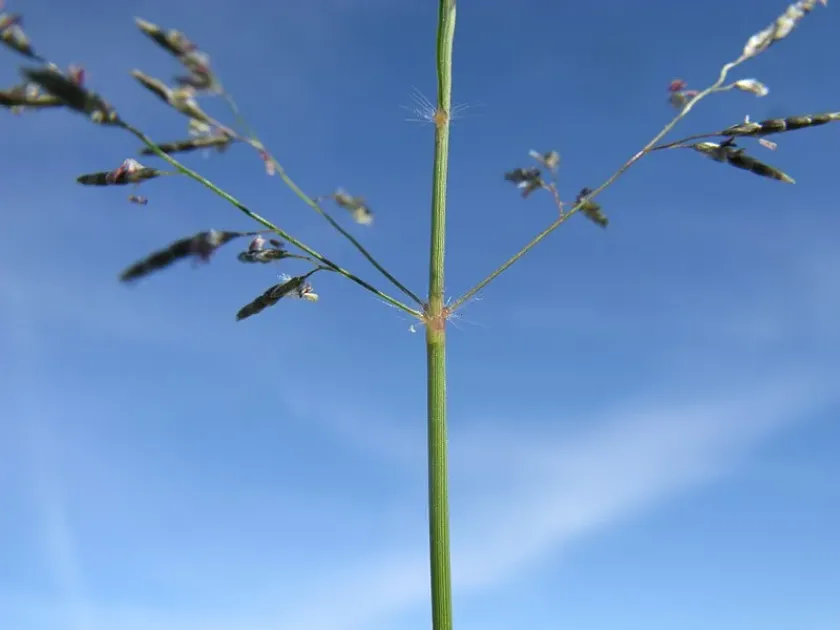
Description
Sowing dates
Eragrostis rigidor is a perennial warm-season grass belonging to the Poaceae family. The optimal sowing time occurs when soil temperatures consistently reach 15–20°C, typically during late spring or early summer months.
The seeds of this species are remarkably small, necessitating shallow planting depths. It is recommended to sow seeds at a depth of 0.5 to 1.5 centimeters to ensure adequate contact with the soil while allowing for easy emergence.
Row planting is standard practice, with row spacing between 15 and 30 centimeters depending on the desired density. For seed production plots, wider spacing is preferred to facilitate weed management and optimize plant development.
The seeding rate varies based on local climate conditions and seed purity, generally ranging from 8 to 12 kilograms per hectare. Proper calibration of seeding equipment is essential to ensure uniform distribution across the field.
Post-sowing soil compaction using rollers is highly recommended to improve moisture retention. This practice significantly enhances germination rates, especially in regions prone to dry weather following the spring planting window.
Growing requirements
This grass is widely recognized for its adaptability to various soil types, thriving in sandy, loamy, and even rocky substrates. It performs exceptionally well in well-drained soils, showing resilience across a range of pH levels.
Drought tolerance is a signature trait of Eragrostis rigidor. Its extensive and deep root system allows it to withstand prolonged dry spells that would typically cause other pasture grasses to enter dormancy or perish.
High solar radiation is required for maximum growth and development. Shaded areas should be avoided, as restricted light leads to thin stems, reduced tillering, and an overall decline in biomass production.
Waterlogging is detrimental to the health of this species. Selecting fields with proper slope or drainage infrastructure is critical to prevent root suffocation during seasons with heavy or persistent rainfall.
Fertility management should focus on balanced inputs, with nitrogen being particularly effective during the early growth stages. Soil testing is advised to determine phosphorus and potassium levels for long-term stand maintenance.
Yield
Biomass production of Eragrostis rigidor is stable under adequate moisture conditions. When managed as a forage crop, it provides substantial yields of nutritious hay, especially when harvested before maturity.
Growth recovery after cutting or grazing is rapid, provided the plant has sufficient moisture reserves. In intensive management systems, multiple cuts per season can be achieved, making it a reliable source of supplemental fodder.
Nutritional value peaks during the early heading stage, offering a good balance of protein and structural fiber. Harvesting at this optimal window ensures the highest palatability for livestock, particularly cattle and small ruminants.
Seed production capacity is significant, offering potential for both on-farm usage and market distribution. Yields are highly dependent on the quality of the stand and the timing of the harvest relative to seed shedding.
The longevity of the stand is a major economic advantage. With proper grazing rotation and seasonal resting, fields can remain highly productive for several years without the need for periodic re-seeding.
Main diseases and pests
Fungal diseases, including various rust species, can impact biomass quality if humidity levels remain high for extended periods. Monitoring for early signs of infection is vital for preventing widespread damage.
Soil-dwelling larvae, such as wireworms, can damage the crown and roots, particularly in fields converted from native grasslands. Pre-planting field preparation is the primary strategy for managing these subterranean pests.
Weed competition presents the greatest challenge during the seedling stage. Implementing effective pre-emergence control or early mechanical weeding is essential to give the crop an advantage in establishing its root system.
Rodent infestations during winter months can lead to patches of dead vegetation in the field. Maintaining clean field borders and using integrated pest management strategies helps mitigate these localized losses.
Overgrazing reduces the vigor of the plant and leaves the stand susceptible to weed encroachment. Adhering to a rotational grazing schedule protects the core crown of the plant and sustains long-term field productivity.
Harvesting
Hay harvesting is most effective when conducted during the early to mid-heading phase. Using sharp mower blades set at an appropriate height protects the crown of the plant and promotes rapid regrowth.
Seed harvesting requires precise timing due to the natural tendency of the seeds to shatter upon maturity. The crop should be swathed when the panicles show clear signs of browning and seed moisture is within safety limits.
Drying in swaths allows for uniform curing, which is essential for both hay quality and seed germination rates. Frequent turning of the swaths helps moisture escape and prevents fungal growth in the center of the pile.
Threshing requires careful adjustment of combine settings to avoid excessive mechanical impact on the seeds. Cleaning and sorting the harvest immediately after threshing are necessary to ensure a high-quality product for storage.
Storage of the seed requires cool, dry conditions with moisture levels kept below 14%. Proper storage containers prevent pest access and humidity spikes, allowing the seeds to maintain high viability for several subsequent planting seasons.