
Eragrostis trachycarpa
Eragrostis trachycarpa
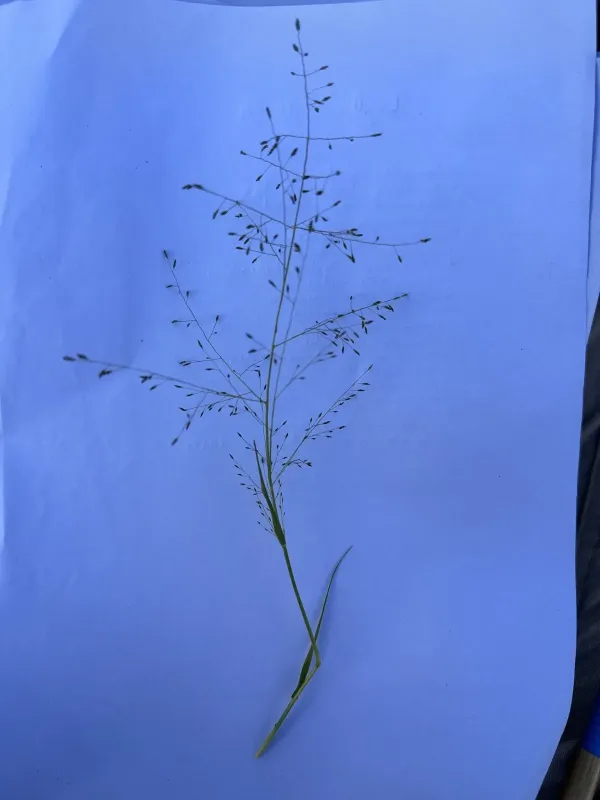
Description
Sowing dates
Sowing of Eragrostis trachycarpa should be conducted when the soil has sufficiently warmed up after the winter period. The optimal period is mid-spring, once soil temperatures at seeding depth consistently remain above 12–15 degrees Celsius.
The seeding technology requires the use of grass seed drills calibrated for fine seeds. The sowing depth must not exceed 1–2 centimeters, as the seedlings have limited energy reserves to emerge from deeper soil layers.
Field preparation involves deep loosening and achieving a fine-crumb structure of the seedbed. After sowing, rolling the field is essential to ensure optimal contact between the seeds and soil moisture, which is critical for uniform germination.
The seeding rate ranges from 6 to 10 kilograms per hectare, depending on the purity of the seed lot. When using seed mixes, the ratio of Eragrostis should be adjusted to balance the density of the total sward.
Sowing during early morning hours is recommended, as the higher ambient humidity helps prevent the seeds from drying out on the soil surface before initial root penetration.
Growing requirements
This species belongs to the Poaceae family and exhibits high plasticity regarding environmental conditions. It prefers well-lit areas and thrives in light-textured soils, particularly sandy and sandy-loam types.
Eragrostis trachycarpa displays significant drought tolerance due to a robust root system that explores deep soil horizons. The optimal pH range for this species is between 6.0 and 7.5 for maximum nutrient uptake.
To ensure high productivity, it is necessary to provide adequate nitrogen fertilization, particularly during the active tillering phase. Phosphorus and potassium applications are best managed in autumn or early spring to stimulate root health.
The crop is highly heat-resistant, making it an excellent candidate for regions with extreme summer temperatures. However, one should avoid areas prone to waterlogging or high water tables that could lead to root asphyxiation.
Field maintenance should include occasional light harrowing or inter-row cultivation in the first year to improve aeration and break any surface crust, facilitating better water infiltration.
Yield
The biomass yield of Eragrostis trachycarpa can reach 15–20 tons per hectare under optimal management practices. The crop exhibits rapid regrowth after mowing or intensive grazing cycles.
The nutritional value of the harvested hay depends on the growth stage at harvest and the overall soil fertility. Peak forage quality is typically achieved when harvested during the late tillering to early heading phase.
When used as a pasture crop, it provides a stable weight gain for livestock throughout the grazing season. The plants are durable against trampling, which makes them suitable for rotational grazing management.
Seed production yields range from 200 to 400 kg/ha depending on weather conditions during the pollination and maturation stages. Harvesting requires careful timing to mitigate the risk of natural shattering.
The crop also acts as an effective green manure, improving soil structure and accumulating organic matter, which provides significant benefits for subsequent crops in the rotation.
Main diseases and pests
Among the diseases, fungal infections such as rust and powdery mildew pose the greatest risk, particularly in high-humidity conditions. Fungicide applications should be based on scouting and early detection of symptoms.
Pests, such as various cereal flies, can cause damage to young seedlings. Regular field monitoring is essential to detect pest infestations and apply biological or chemical control measures when necessary.
Weed pressure is the primary threat during the first year of stand development. The use of selective herbicides can significantly reduce weed competition and support the healthy establishment of the crop.
Root rots are frequently a result of over-irrigation or soil compaction, leading to poor drainage. Preventive measures include proper crop rotation and improving the soil's internal drainage capacity.
Stored seed pests require attention during post-harvest storage. Granaries must be cleaned and disinfected regularly to ensure the viability and quality of the stored seed lot for the following season.
Harvesting
Harvesting for green forage or hay is performed at the early flowering stage to capture the maximum balance of nutrients. Delayed harvesting leads to stem lignification and a decrease in protein content.
Hay production involves swathing and wilting, which helps preserve the color and nutritional value of the foliage, where the majority of the nutrients are concentrated.
Seed harvesting is performed via a two-stage method: mowing into windrows, followed by threshing once the seeds reach physiological maturity. This approach minimizes losses due to seed shattering in the field.
Cleaned seeds must be dried to a moisture content of 13–14% before being placed in dry storage. Maintaining an optimal temperature of 10–15 degrees Celsius ensures long-term seed viability.
After harvest, incorporating crop residues into the soil via discing encourages rapid mineralization and organic matter accumulation, contributing to long-term soil health improvement.