
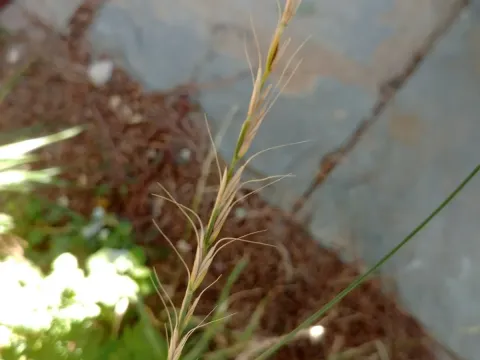
Ciliate wheatgrass
Elymus ciliaris
Ciliate wheatgrass is a perennial rhizomatous grass that is typically sown in early spring as soon as soil temperatures reach 8–10 degrees Celsius for optimal germination.
What the section contains
Ciliate wheatgrass
Dormant fall seeding is also an option in temperate regions, allowing seeds to undergo natural stratification, which promotes uniform emergence in the early spring.
A row-seeding method with spacing of 30–45 cm is recommended to allow for adequate development of the root system and to reduce plant competition for nutrients.
Seeding depth is critical and should be adjusted based on soil texture; it should be deeper in sandy soils (up to 3 cm) and shallower in clay soils (1–1.5 cm).
Establishing the correct seeding rate is essential, with lower rates generally preferred for seed production fields to encourage individual plant strength and yield.
This grass species is highly adaptable and can thrive in various soil types, ranging from nutrient-poor sandy soils to more productive loam and silty soils.
Ciliate wheatgrass exhibits excellent drought tolerance, making it an ideal choice for arid and semi-arid regions where other forage crops might fail.
It performs best in neutral to slightly alkaline soil conditions, showing good resistance to moderate levels of salinity common in steppe environments.
As a sun-loving plant, it requires full exposure to light and does not perform well when grown as an understory crop beneath denser or taller species.
The plant possesses high winter-hardiness, allowing it to survive extreme temperature fluctuations that are characteristic of its native continental habitat.
The forage yield of Ciliate wheatgrass is directly influenced by water availability and the effective management of nutrient inputs during the active growing season.
Under irrigated conditions, the plant is capable of producing two vigorous cuttings per year, providing a consistent supply of high-quality biomass for livestock.
Maximum nutritional content, specifically crude protein, is found during the boot to early heading stages, marking the optimal time for harvesting high-quality hay.
When managed properly, a stand of Ciliate wheatgrass can remain productive for 6 to 8 years, maintaining a dense canopy and resisting weed encroachment.
Strategic nitrogen fertilization can significantly boost biomass regrowth, although soil nutrient balance must be monitored to ensure long-term stand longevity.
Ciliate wheatgrass is generally robust and shows good resistance to many common cereal pathogens, although rust may occur under high-humidity conditions.
Insect pests, such as various grain flies and seed chalcids, can pose a risk to seed-producing fields by damaging the reproductive organs of the plants.
Young seedlings are occasionally vulnerable to flea beetle infestations, requiring careful monitoring during the first few weeks of establishment.
Improper grazing management, such as overgrazing, can quickly degrade the stand, leading to reduced vigor and the invasion of opportunistic weed species.
Maintaining a balanced crop rotation and implementing timely mowing cycles are effective preventive strategies for minimizing the buildup of plant diseases.
Harvesting for hay should occur between the boot stage and early heading to ensure the highest balance of digestibility and nutrient density in the harvested forage.
When harvesting for seeds, farmers must carefully time the operation to catch the window after maturation but before significant shattering occurs in the field.
A cutting height of 7–10 cm is advised to protect the plant's growing points, which facilitates faster regrowth and better health for the following season.
Post-harvest management of hay involves timely drying and baling to avoid moisture damage, which can lead to rapid quality loss and the development of mold.
Seed cleaning and drying to a moisture content of 12–14% are necessary steps to ensure seed viability and quality during extended periods of warehouse storage.