
Chrysopogon fulvus
Chrysopogon fulvus
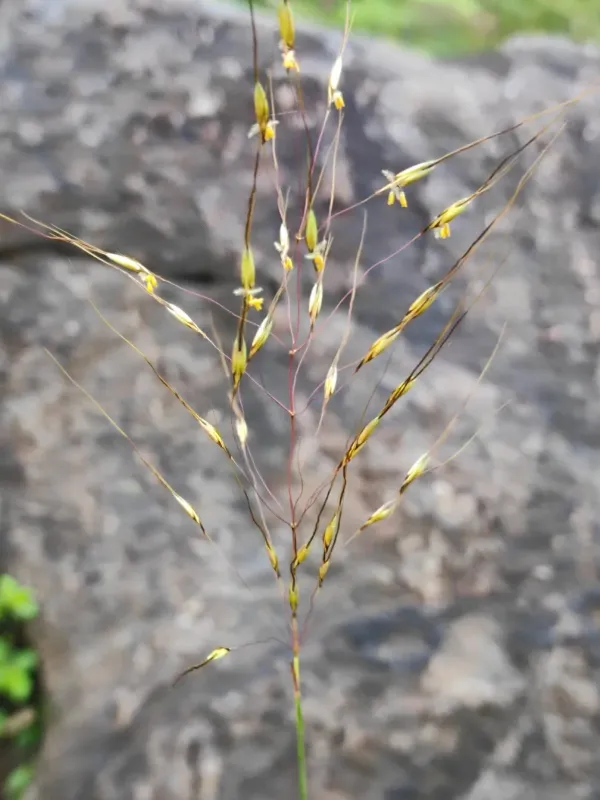
Description
Sowing dates
Sowing of Chrysopogon fulvus is typically performed at the onset of the rainy season, ensuring optimal soil moisture for seed germination. In the tropical regions of its origin, this period aligns with the beginning of the monsoon, allowing seeds to establish successfully before extreme heat peaks.
The sowing technology involves thorough soil preparation, ensuring the land is weed-free and well-tilled. Seeds are sown either superficially or at a shallow depth, as they are highly sensitive to planting quality and require strong contact with the moist substrate for efficient hydration.
In large-scale production, both row planting and broadcasting methods are used for the rehabilitation of degraded pasture lands. Adhering to optimal seeding rates is critical for forming a dense stand capable of effectively competing against invasive weed species during the early growth stages.
Young seedlings require protection from direct, intense sunlight during their first weeks, often achieved by sowing with companion nurse crops. This creates a favorable microclimate that supports the slow development of the root system during the initial establishment period.
Once seedlings emerge, controlling stand density through thinning is a mandatory stage to ensure uniform growth. Maintaining optimal spacing between bunches promotes the development of a robust root system, a hallmark trait of this perennial member of the grass family.
Growing requirements
Chrysopogon fulvus belongs to the Poaceae family and is a characteristic thermophilic crop. It demonstrates remarkable resistance to drought periods, allowing it to thrive successfully in regions with highly seasonal rainfall patterns.
The crop prefers well-drained soils, including light loams and sandy textures, which aligns with its natural habitat in savannas and open woodlands. Excessive waterlogging and poor drainage negatively impact root development and can eventually lead to the death of the plant.
High levels of solar radiation are essential for the normal growth of Chrysopogon. As a light-loving plant, it performs poorly under the shade of taller species, necessitating site selection in open areas that receive full sunlight throughout the day.
Soil chemistry is of secondary importance as the species is known for its low demand for soil fertility, though mineral fertilization at the start of the vegetative phase significantly boosts biomass. Optimal growth results are noted in soils with a neutral or slightly acidic pH level.
The crop exhibits high adaptability to temperature fluctuations; however, peak development occurs at mean daily temperatures ranging from 25 to 35 degrees Celsius. Frosty winters are detrimental to this species, restricting its cultivation to tropical and subtropical climatic zones.
Yield
The green biomass yield of Chrysopogon fulvus depends directly on rainfall intensity and the frequency of mowing. Under irrigated farming conditions, productivity can reach significant levels, making this crop competitive compared to other forage grasses.
A key factor influencing productivity is the grazing management regime. Controlled, moderate grazing promotes tillering and increases the total vegetative mass volume, whereas excessive stocking pressure leads to rapid exhaustion and decreased yields in subsequent years.
Average productivity indicators are considered high for natural forage lands, and the nutritional value of hay remains stable even when harvested at later stages. This makes the plant a strategically important resource for providing livestock with dry fodder during winter or dry seasons.
The plant's biological characteristics allow for multiple harvest cycles within a single growing season, provided there is adequate moisture. After each cutting, the plant shows vigorous regrowth of succulent shoots, which are highly attractive and palatable to livestock.
To assess potential yields in specific fields, farmers should account for the plant density per square meter. A high density of the stand ensures not only high hay yields but also prevents soil erosion, fulfilling a vital soil-protection function in agro-landscapes.
Main diseases and pests
Chrysopogon fulvus possesses natural resistance to many diseases typical of other grass crops. However, when agronomic practices are neglected, especially under high humidity, fungal infections affecting the foliage can develop.
Primary pests of this crop include sucking insects, such as aphids and leafhoppers, which can significantly reduce biomass growth rates. Massive infestations can weaken the plant, making it susceptible to secondary infections and increased climate stress.
In certain growing regions, soil-borne nematodes pose a challenge by damaging the root system and hindering nutrient and water uptake. Premature wilting and general plant stunting are clear signs of infestation, even when water supply is adequate.
Disease prevention involves strict crop rotation and regular monitoring of crop health. When localized outbreaks occur, the use of biological control methods is recommended, which is particularly important for crops used as a forage base for dairy livestock.
Limiting livestock grazing in areas with signs of pest or disease damage is essential to prevent the spread of fungal spores or insect larvae. A comprehensive approach, combining agronomic and sanitary measures, is key to maintaining a healthy and productive grass stand.
Harvesting
Harvesting Chrysopogon fulvus is conducted during the active flowering phase or just before the onset of seed formation. This period is when the plant reaches peak protein and sugar content, which is crucial for high-quality fodder production.
The harvesting technology involves mowing the stand followed by windrow curing. In hot climates, drying occurs quite rapidly, minimizing the risk of nutrient loss due to prolonged exposure to sunlight or potential rainfall.
When the crop is utilized as pasture, a rotational grazing system is employed to allow plants to recover after being grazed. Regulated grazing prevents the grass from over-maturing, as the tissue becomes lignified and less palatable to livestock as it ages.
Chrysopogon seeds ripen unevenly, necessitating multiple passes across the field for efficient harvesting. When collected manually, the inflorescences are carefully cut, followed by cleaning and drying in well-ventilated, shaded facilities.
After the harvest cycle is complete, lightly harrowing the field is recommended to remove dry stubble and improve air access to the root zone. This stimulates spring regrowth and contributes to the productive longevity of this perennial grass over many years.