
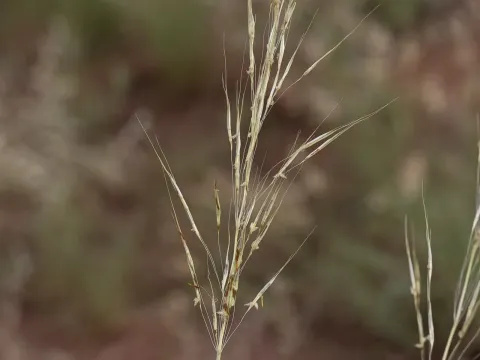
Chrysopogon fallax
Chrysopogon fallax
Chrysopogon fallax, commonly known as golden beard grass, is a perennial grass species belonging to the Poaceae family. It is recognized for its significant role in grazing systems, particularly in environments challenged by high temperatures and moisture deficits.
What the section contains
Chrysopogon fallax
The native distribution of this species is primarily within Australia. It has evolved to thrive in tropical and subtropical regions characterized by distinct wet and dry seasons, making it a highly reliable component of the local vegetation.
The plant demonstrates remarkable adaptability to various soil types. It is frequently found in sandy, loamy, and gravelly soils that are often poor in essential nutrients, showing its potential for survival in degraded landscapes.
Botanically, Chrysopogon fallax features a robust root system and tufted growth habit. This structure allows the grass to access deep-seated water and nutrients, which is crucial for surviving long periods of drought typical of its habitat.
Economically, it serves as a valuable forage source for livestock. Its ability to maintain some level of nutritional value during dry spells makes it a preferred species for pasture improvement and soil stabilization projects in arid zones.
The primary threat to Chrysopogon fallax populations is improper grazing management. Overgrazing prevents the plant from maintaining its root reserves, ultimately leading to loss of vigor and potential die-off of the stand.
Disease incidence in this species is generally low due to its natural selection in hardy environments. However, under conditions of excessive humidity, fungal pathogens can occasionally cause leaf spots, though these rarely reach epidemic levels.
Insects, particularly orthopterans like grasshoppers, can occasionally impact biomass production. These infestations are often cyclical and linked to environmental patterns, with the plants typically recovering naturally when conditions improve.
Soil compaction caused by heavy hoof traffic represents an abiotic threat that can weaken the root environment. This mechanical stress can make the plants more susceptible to secondary issues and reduce overall field longevity.
To ensure the long-term productivity of the grass, agronomists recommend implementing rotational grazing schedules. This approach minimizes the risk of biotic and abiotic stress, allowing the plants to maintain their reproductive and vegetative health.