
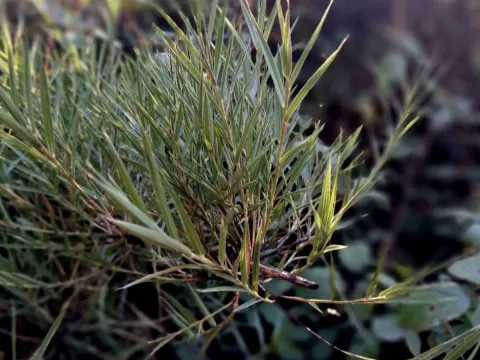
Chusquea
Chusquea
Chusquea is a genus of perennial flowering plants in the grass family Poaceae. Unlike most other bamboos, members of this genus are characterized by solid culms, which provides them with exceptional density and structural strength, making them unique in the bamboo world.
What the section contains


Chusquea
The plant is native to the Americas, ranging from Mexico to Argentina and Chile. It is predominantly found in high-altitude environments, such as the Andes, where it flourishes in the cool, moist conditions typical of montane cloud forests and subalpine zones.
For successful cultivation, Chusquea requires well-draining soil rich in organic matter. While it prefers moist conditions, it is sensitive to waterlogging; therefore, incorporating sand or gravel into the planting site is recommended for heavy soil types to ensure roots remain healthy.
The climate requirements for Chusquea are focused on moderate temperatures. They are generally not suited for tropical lowlands or areas with severe, prolonged freezing. Providing a sheltered location that offers protection from harsh winds is essential for young specimens.
Agricultural management involves routine mulching to retain soil moisture and regulate temperature. Consistent irrigation during the dry season is necessary to maintain the plant's vigor, particularly during the first few years of establishment before the root system matures.
The utility of Chusquea is widespread, as its solid stems have been used for centuries in artisanal crafts. The culms are prized for their flexibility and strength, utilized in weaving baskets, constructing fences, and building various agricultural implements.
In landscaping, Chusquea is highly valued for its aesthetic appeal. It serves as an excellent privacy screen or windbreak. Its distinct foliage and architectural form contribute to its status as a sought-after ornamental plant in cooler-climate gardens.
Harvesting for commercial or craft use typically occurs during the dormant season to minimize sap loss. Using sharp, clean equipment to selectively prune mature culms allows the plant to regenerate effectively, maintaining sustainability in the harvesting process.
Beyond material use, Chusquea provides significant environmental services. Its dense root network is highly effective at stabilizing unstable slopes, preventing erosion in agricultural mountainous regions, and supporting local biodiversity.
Maintenance of the crop is straightforward but requires consistency. Pruning old or damaged stems once a year ensures that the plant diverts energy toward producing new, healthy culms, thereby optimizing both the ornamental value and the biomass production of the stand.