
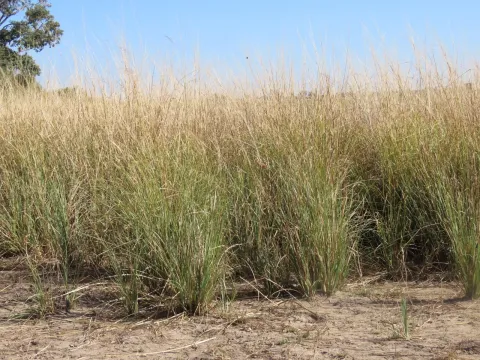
Chrysopogon nigritanus
Chrysopogon nigritanus
Planting of this crop is typically scheduled at the beginning of the rainy season, which is essential to ensure a high germination rate for the seeds.
What the section contains
Chrysopogon nigritanus
The optimal soil temperature for successful emergence ranges between 20 and 25 degrees Celsius, providing a warm environment for the roots to establish.
Seeds should be sown at a shallow depth, as the small size of the seeds makes it difficult for them to emerge through compacted soil layers.
In addition to direct seeding, vegetative propagation using divisions of the rootstock is a common method, allowing for faster density establishment in the field.
Maintaining adequate soil moisture during the initial weeks is critical, as young seedlings are sensitive to dehydration until their root systems are fully developed.
Chrysopogon nigritanus is a perennial herbaceous plant belonging to the Poaceae family, known for its adaptability to various tropical environments.
The plant thrives in well-drained loamy or sandy soils and demonstrates significant tolerance for nutrient-poor substrates, although it benefits from moderate fertilization.
As a light-demanding species, it requires open areas with full sun exposure to reach its maximum biomass potential and maintain healthy physiological processes.
This grass is highly appreciated for its drought resistance, relying on a robust root system that allows it to access water deep within the soil profile.
It prefers neutral to slightly acidic soil conditions and should be planted in areas where waterlogging is prevented through natural or artificial drainage.
The biomass yield of this crop is largely dependent on the frequency of mowing and the availability of water throughout the active growing season.
Strategic application of nitrogen-based fertilizers after each cut significantly stimulates regrowth and helps in achieving multiple harvests per year.
It remains productive even under challenging conditions where other grass species might decline, making it a reliable resource for livestock grazing.
Proper management of grazing or cutting heights is vital to avoid exhausting the plant reserves, thus ensuring the longevity of the pasture over time.
Under optimal conditions, the plant provides a consistent supply of quality fodder, contributing to the overall productivity of the agricultural system.
The primary threats to this crop include fungal infections, which are often exacerbated by high humidity and poor airflow within the dense grass canopy.
Various pests, such as lepidopteran larvae and aphids, can cause significant damage by feeding on young foliage and weakening the plant's overall vitality.
Implementing a proper rotation schedule and timely cutting are effective cultural practices that disrupt the life cycles of many common agricultural pests.
Root rot caused by prolonged water stagnation is a potential risk, necessitating the design of effective drainage systems to maintain soil health.
Regular field scouting allows farmers to identify early signs of stress or pathogen presence, enabling timely interventions to protect the crop yield.
Harvesting is best conducted during the peak of the vegetative growth phase, before the stems become overly fibrous and lignified, preserving nutritional value.
Cutting should be performed at a height of approximately 10 to 15 centimeters to ensure the plant's point of growth remains protected for faster recovery.
The harvested material can be used as fresh forage or processed into hay or silage, depending on the operational needs and storage capabilities of the farm.
Proper drying is essential when producing hay to prevent microbial spoilage and the development of mold, which could diminish the quality of the feed.
For seed production, harvesting should occur once the panicles have turned brown, followed by careful drying and threshing to collect viable seeds for future use.