
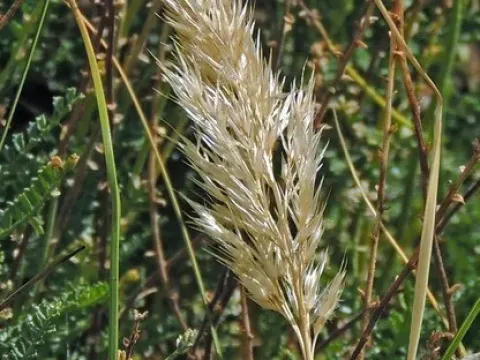
Cinnagrostis
Cinnagrostis
Cinnagrostis is a genus of perennial grasses belonging to the Poaceae family. These plants are primarily native to the high-altitude Andean regions of South America, where they have evolved to thrive in specialized alpine ecosystems.
What the section contains

Cinnagrostis
Botanically, the genus is characterized by its tufted growth habit and slender, linear leaves. The inflorescence typically consists of a panicle, which provides high biomass density, making it a subject of interest for local forage production.
The climate requirements for Cinnagrostis are quite specific, favoring cool temperatures and high atmospheric humidity. It is highly adapted to the short growing seasons characteristic of high-altitude zones.
Regarding soil conditions, Cinnagrostis requires well-drained, porous soils. It does not tolerate waterlogging, which makes site selection critical for maintaining the health of the root system and preventing stunting.
In terms of agricultural utility, it serves as a valuable forage plant for grazing livestock in mountain areas. Its ability to maintain forage quality under cold stress provides a significant advantage over lowland grass species.
The primary threats to Cinnagrostis populations are fungal pathogens, specifically those that thrive in high-humidity mountain environments. Leaf spot diseases are the most common issue observed during the peak growing season.
Root system vulnerability is a concern when soil drainage is poor, as this often leads to the development of soil-borne pathogens that compromise the plant's nutrient uptake capabilities.
Insects such as grass-feeding aphids or mites can infest the foliage, especially during prolonged dry spells when the plant's natural defense mechanisms are under stress from water scarcity.
Prevention involves maintaining adequate plant spacing to promote airflow and implementing proper grazing management to ensure that the plants are not overgrazed, which would weaken their resistance to diseases.
Field monitoring is essential to detect early symptoms of infection, as once a fungal outbreak becomes widespread in mountain terrain, remediation measures are often logistically difficult and costly to implement.