
Chrysopogon arcuatus
Chrysopogon arcuatus
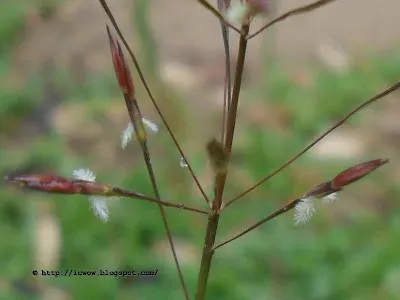
Description
Sowing dates
The sowing of Chrysopogon arcuatus, a member of the Poaceae family, is typically performed during the spring season once soil temperatures are sufficient to facilitate germination.
In tropical and subtropical regions, seeding is most effective at the onset of the rainy season, which provides the necessary moisture for seed establishment and development.
The planting process involves shallow seeding techniques, as the seeds are small and require minimal soil cover to emerge properly without expending excessive energy reserves.
Preparation of the seedbed is essential; ensuring the area is free from aggressive weeds allows the seedlings to compete effectively during the early growth stages.
Optimal spacing should be maintained during planting to promote proper airflow and light penetration, which in turn boosts the overall tillering capacity of the grass.
Growing requirements
Chrysopogon arcuatus thrives in sunny environments and requires well-drained soil types to prevent moisture stagnation, which can lead to various root-related issues.
The plant is known for its resilience in warm climates, showing high productivity levels when subjected to high solar radiation and consistent, though not excessive, rainfall.
Soil pH levels should ideally fall within a neutral or slightly acidic range to facilitate the uptake of essential nutrients necessary for vigorous vegetative growth.
While the species is relatively drought-tolerant, supplemental irrigation during prolonged dry spells can significantly increase biomass yields, especially in commercial agricultural settings.
Regular monitoring of nutrient levels is recommended, as the depletion of nitrogen and phosphorus in the soil can lead to reduced plant height and density over multiple years.
Main diseases and pests
The plant can be susceptible to various fungal pathogens, particularly when grown in conditions with poor drainage or excessive humidity that promotes leaf spot diseases.
Insect pests, including certain species of grasshoppers and stem borers, may occasionally cause localized damage to the foliage, requiring integrated pest management strategies.
Preventative measures include regular field inspections and maintaining proper plant density to ensure sufficient air circulation around the plants, which reduces the humidity levels that favor pests.
Weed management remains a primary concern during the establishment phase, as invasive species can easily outcompete the young Chrysopogon arcuatus plants for water and light.
In cases of severe infestation, targeted agricultural treatments may be required to protect the crop, although maintaining soil health remains the best natural defense.
Harvesting
Harvesting Chrysopogon arcuatus for livestock feed is most effective when the grass is in the late vegetative or early flowering stage to ensure the highest protein content.
Rotational grazing systems are advised to maintain the longevity of the pasture, ensuring that plants have adequate recovery time between grazing cycles to replenish root stores.
For hay production, mechanical mowing is utilized, with the cutting height set to encourage rapid regrowth and sustain the long-term productivity of the field.
Post-harvest processing often involves immediate drying to preserve the nutritional value of the biomass, making it an excellent source of dietary fiber for ruminants.
Seed harvesting should be carefully timed to coincide with maturity, requiring modern harvesting machinery to minimize losses due to natural seed dispersal mechanisms.