
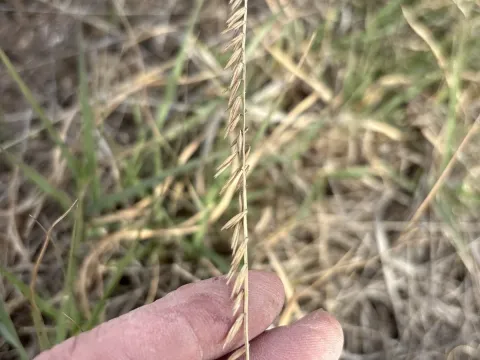
Chondrosum
Chondrosum
Sowing of Chondrosum should be conducted during the early growth season when the soil temperature is sufficient to trigger consistent seed germination.
What the section contains

Chondrosum
In most regions, the optimal planting window opens in late spring, ensuring that the soil has warmed up and the risk of late frosts is eliminated.
Seeds should be planted at a shallow depth of approximately 1–2 centimeters, which provides the necessary balance between moisture retention and light access.
It is recommended to use a standard grain drill or broadcast seeder followed by light harrowing to cover the seeds with a thin layer of soil.
Post-seeding compaction is a crucial step to ensure the seeds have adequate contact with the soil profile, facilitating rapid moisture uptake for the germinating embryo.
Chondrosum belongs to the Poaceae family and is highly valued for its ability to thrive in harsh, dry environments where other grasses fail.
The plant prefers sandy or well-drained loamy soils, showing a high tolerance for low-fertility conditions and varying levels of soil pH.
Sunlight is the primary requirement for healthy growth, so the cultivation area must remain free from excessive shade and competition from woody species.
It displays remarkable drought resistance, allowing it to remain dormant yet viable during prolonged dry spells that often occur in steppe ecosystems.
The grass is well-adapted to wide temperature fluctuations, making it a reliable perennial cover for regions with extreme seasonal climate shifts.
The biomass yield of Chondrosum varies depending on the specific environmental conditions of the region and the level of agricultural management provided.
Under natural rainfall conditions, the yield is modest, providing consistent and reliable sustenance for livestock in semi-arid pastoral systems.
Optimized management practices, including targeted irrigation during critical growth stages, can significantly increase the total dry matter production.
Proper nitrogen fertilization can help boost vegetative growth, resulting in higher nutritional value of the foliage for grazing animals.
As a sustainable forage option, it provides a stable source of feed, reducing the need for expensive supplements in extensive livestock production.
Chondrosum is generally robust and exhibits natural resistance to many common fungal and bacterial diseases that impact other agricultural crops.
Potential threats include underground pests such as wireworms and cutworms, which may impact root development during the establishment phase.
Excessive humidity or poor drainage can create favorable conditions for root rot, which is why soil aeration is vital for crop health.
Insects like aphids and certain grass-specialized moths may feed on the leaves, although infestations rarely reach economic damage thresholds.
Good agricultural practices, such as preventing stagnant water and maintaining a healthy field environment, effectively mitigate most biological threats.
Harvesting for high-quality hay should ideally take place just as the plants enter the flowering stage to maximize nutrient retention in the foliage.
If left too long, the plant stems become lignified and tough, which significantly lowers the digestibility and overall quality of the harvested feed.
Mowing should be performed with equipment calibrated to an appropriate height to avoid damaging the crown of the plant, which is crucial for regrowth.
After cutting, the biomass must be cured under the sun to reduce moisture content to safe levels for storage, preventing spoilage and mold growth.
Rotational grazing is a superior harvest method for Chondrosum, as it encourages the grass to recover vigorously while preventing overgrazing of sensitive areas.