
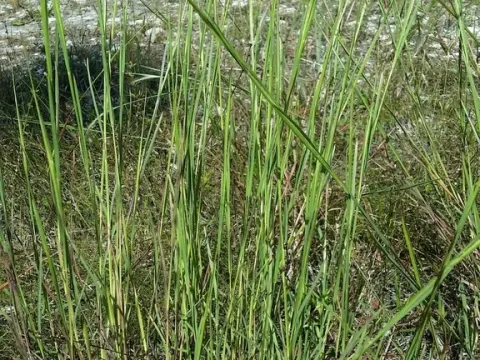
Chrysopogon
Chrysopogon
Sowing or propagation of Chrysopogon is primarily conducted through vegetative methods rather than seeds. Division of established clumps is the most reliable way to ensure uniform growth and field establishment.
What the section contains


Chrysopogon
The optimal time for planting depends on the regional rainfall patterns. It is generally recommended to plant at the beginning of the rainy season to provide sufficient moisture for root development.
Soil preparation involves deep plowing to allow the roots to penetrate the ground easily. Proper spacing between rows and plants is crucial to ensure optimal growth and prevent competition for nutrients.
In large-scale cultivation, irrigation may be necessary during the initial weeks of planting if rainfall is insufficient. Once established, the crop is highly drought-tolerant and requires minimal intervention.
Field maintenance includes checking for uniform stand density and replacing any failed plants in the first few weeks to ensure a consistent harvest cycle across the entire plot.
Chrysopogon is a genus of perennial grasses within the Poaceae family. It is best known for its adaptability and ability to thrive in diverse environmental conditions ranging from tropical to temperate zones.
The crop requires full sun exposure and is highly sensitive to shading, which significantly reduces biomass production and oil content in the roots. It performs best in well-drained soils but shows surprising tolerance to flooding.
Soil pH levels can range widely, as the plant is adapted to both acidic and alkaline environments. Its most notable feature is its deep, dense, and vertical root system, which acts as a powerful biological tool against soil erosion.
Temperature requirements are moderate to warm. While the plant can survive short periods of cooling, it is essentially a heat-loving crop that thrives when mean temperatures remain stable throughout the growing season.
Nutrient requirements are relatively low compared to high-yield cereals, making it a cost-effective choice for marginal lands where other crops may fail to provide economic returns.
Yield estimation for Chrysopogon primarily focuses on the root mass, especially for varieties grown for the essential oil industry. High-quality yield is determined by the age of the crop and the conditions of the soil.
Harvesting usually occurs between 18 and 24 months after planting to reach the peak concentration of aromatic compounds. Early harvesting often results in lower oil quality and quantity.
Biomass yield from the leaves can be substantial if managed with regular cutting. This foliage can be effectively used as mulch to improve soil structure or as a reliable source of green fodder in some livestock systems.
Yield stability is one of the key agronomic advantages of this crop, as it shows low variance in productivity even under variable climatic conditions, provided the soil drainage is managed correctly.
Post-harvest processing efficiency plays a significant role in the final usable yield, specifically in terms of essential oil extraction yields, which are highly dependent on the drying techniques used.
Chrysopogon is famously known for its resilience and low susceptibility to common agricultural pests. This natural pest resistance is attributed to the presence of volatile oils in its root system.
Fungal pathogens may occasionally occur in low-lying, waterlogged areas where drainage is insufficient. Such conditions encourage root rot, which can negatively impact the plant's overall vitality.
Nematode infestations are a minor threat, typically observed only in soils previously used for susceptible crops. Implementing a sound crop rotation plan can effectively mitigate these risks.
Weed control is critical only during the early stages of establishment. Once the Chrysopogon clumps grow thick and dense, they naturally suppress weed growth by outcompeting them for space and nutrients.
Overall, the lack of significant pest or disease pressure makes this crop an excellent candidate for sustainable and organic farming practices, significantly reducing the need for chemical inputs.
Harvesting the roots requires mechanical excavation, as they are strong and grow deeply into the soil. Ensuring the soil is slightly moist at the time of harvest can reduce the physical effort and equipment wear.
Immediately after harvesting, the roots should be washed to remove adhering soil and debris. This step is vital to maintain the purity of the end product, particularly for oil extraction purposes.
Drying the harvested root mass is a delicate process that must be done in the shade to prevent the volatilization of valuable essential oils. Overheating should be strictly avoided throughout the process.
Leaves are harvested by mechanical mowers or manual sickle cutting. This can be done annually, which encourages the plant to regenerate and maintain healthy root growth throughout its lifecycle.
Proper storage of the harvested material, whether it is roots for distillation or biomass for fiber, is essential to prevent mold growth and maintain the quality of the harvested produce until it reaches the market.