
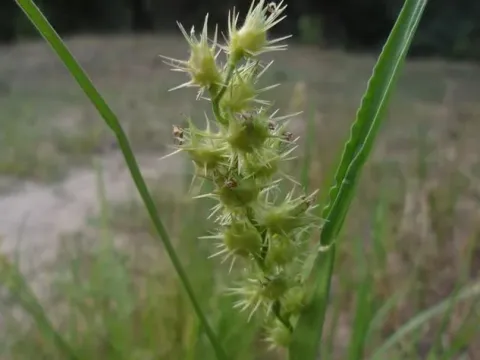
Cenchrus unisetus
Cenchrus unisetus
Cenchrus unisetus is a thermophilic plant; therefore, sowing should only be carried out once the soil temperature consistently reaches 15–18 °C. In temperate climates, the optimal window for establishing crops is typically from late May through early June.
What the section contains
Cenchrus unisetus
Seeds must be sown at a shallow depth, approximately 2 to 3 centimeters. Due to the presence of spiny bristles on the fruits, scarification or pre-sowing cleaning is often recommended to improve flowability and ensure uniform seedling emergence.
The seeding rate varies based on the intended use: 10–12 kg/ha is recommended for hay production, while 6–8 kg/ha is sufficient for pastures or seed production. Firming the soil after sowing is essential to ensure good seed-to-soil contact and moisture absorption.
The plant exhibits high germination energy under sufficient sunlight. Seedlings are highly susceptible to weed competition during the early stages of development, making effective weed management during the first weeks of growth critical for stand establishment.
In regions with shorter growing seasons, it is vital to complete sowing as early as possible to allow the plants to develop a robust root system and accumulate sufficient nutrient reserves before the onset of autumn cooling.
Cenchrus unisetus is a light-loving and drought-tolerant crop that thrives best in open, sunny locations. It reacts negatively to shading and excessive soil moisture, which can quickly lead to stand depletion or root diseases.
While the plant is relatively undemanding regarding soil type, it performs best on light sandy and sandy loam soils. It demonstrates a high tolerance for saline soils, making it a viable candidate for land reclamation and greening of marginal lands.
The optimal soil pH range for this crop is between 6.0 and 7.5. On heavy clay soils prone to waterlogging, the plant's productivity decreases significantly due to poor aeration and high water retention.
The crop is highly heat-resistant, which makes it well-suited for cultivation in arid regions. During periods of drought, the plant slows its vegetative growth but recovers rapidly once moisture becomes available through rain or irrigation.
Fertilization management should prioritize nitrogen application during the tillering phase to boost biomass production. On nutrient-poor soils, phosphorus and potassium applications are essential for strong root development and winter hardiness.
Forage biomass yield for Cenchrus unisetus is highly dependent on moisture availability and soil fertility levels. Under favorable conditions, farmers can expect yields ranging from 150 to 250 quintals of green mass per hectare per season.
When managed as a pasture, the crop exhibits excellent regrowth potential. It can provide 2–3 full cuts or grazing rotations if adequate moisture is available throughout the growing season, whether through natural rainfall or supplemental irrigation.
Dry matter content generally ranges from 25% to 30% of the total green mass. The nutritional value remains high until the onset of the heading phase, after which fiber content increases rapidly and protein digestibility begins to decline.
Seed yield is also quite significant, with potential outputs between 400 and 800 kg per hectare when optimal agronomic practices are applied, making the crop economically viable for seed distribution as well.
To maintain consistent yields over multiple years, light harrowing is recommended in the spring. This practice removes dead residue and stimulates the growth of new shoots from the rhizomes, rejuvenating the pasture stand.
Common diseases affecting this crop include fungal infections like rust and various types of smut. These are more prevalent in years with high humidity and in overly dense stands where air circulation is restricted.
Pests such as grass flies, aphids, and thrips are the primary concerns, as they damage young seedlings and developing inflorescences. Widespread infestations can significantly reduce both biomass quantity and seed quality.
Competition from rhizomatous weeds like couch grass during the first year is a critical threat. Because the crop grows slowly in its early life, the use of selective herbicides is often necessary to ensure the survival of the stand.
Non-infectious threats include winter dampening off during mild, wet winters. Although the grass is drought-resistant, sudden hard frosts before permanent snow cover can damage the plant's crown and reduce winter survival.
To minimize these risks, crop rotation is essential. It is advised not to grow this crop in a monoculture for more than 4–5 consecutive years to prevent the build-up of host-specific soil-borne pathogens and pests.
Harvesting for green forage should be completed before the mass heading phase begins. Harvesting at the late tillering or early boot stage ensures an optimal balance between total dry matter and nutrient density for livestock feed.
When harvesting for hay, timing is critical. Because the mature seeds are covered in sharp bristles, delayed harvesting can render the hay physically irritating or harmful to the mouths of grazing livestock, requiring strict adherence to maturity schedules.
Seed harvesting should occur when the lower part of the inflorescence turns brown. It is crucial not to wait for complete ripening to avoid substantial losses due to natural seed shattering, which is common in this genus.
Post-harvest, the seed lot requires immediate cleaning to remove bristles and other contaminants. Storing seeds in dry, well-ventilated areas with moisture levels below 14% is necessary to maintain long-term seed viability.
For pasture management, the grazing intensity must be strictly controlled, maintaining a residual stubble height of at least 5–7 centimeters. This preserves the plant's energy reserves in the crown, allowing for rapid and vigorous regrowth.