
Centotheca
Centotheca
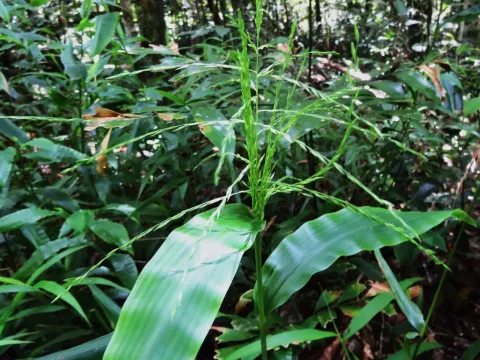
Centotheca is a genus of perennial grasses belonging to the Poaceae family, predominantly found in the tropical and subtropical regions of Africa and Asia.
What the section contains

Centotheca
These plants typically inhabit shaded forest floors and areas with high humidity, where they benefit from rich, organic-based soils and constant warmth throughout the year.
Botanically, Centotheca is easily distinguished by its broad, lanceolate leaves featuring a unique pattern of cross-veins, a characteristic that sets it apart from many other grasses.
The plant requires well-drained, loose soil with a neutral to slightly acidic pH to thrive, showing poor tolerance for waterlogged conditions in cooler, non-tropical settings.
Success in maintaining a healthy stand of Centotheca depends on providing a stable, warm environment with filtered sunlight to prevent desiccation of the foliage.
Centotheca is primarily valued as a forage grass in its native habitat, contributing to the overall biomass of natural pastures used for livestock grazing.
Beyond its feed value, the plant is highly effective in erosion control, as its root system helps to stabilize loose soil on tropical slopes and hillsides.
Its productivity as a fodder crop is moderate, but it is appreciated for its resilience and ability to persist in environments where other high-yield grasses might fail.
The nutritional content of the leaves makes them suitable for grazing animals, although rotational grazing is recommended to ensure the plant's long-term sustainability.
Ongoing research into this genus aims to better understand its potential for agroforestry applications, specifically as a ground cover that prevents nutrient leaching.
Common threats to Centotheca include various fungal leaf spots that flourish in high-humidity environments where airflow is restricted, leading to significant damage.
Pest issues are mainly related to insect defoliators, such as grasshoppers and beetles, which can significantly reduce the photosynthetic area of the plants.
Soil-borne nematodes can pose a serious threat to the root health of Centotheca, especially if the soil structure becomes compacted or drainage is poorly managed.
Invasive species often outcompete Centotheca in disturbed environments, making land management and weed control critical for preserving natural stands.
Effective management includes regular monitoring for signs of stress, ensuring adequate drainage, and avoiding over-grazing to maintain plant vigor against potential disease outbreaks.