
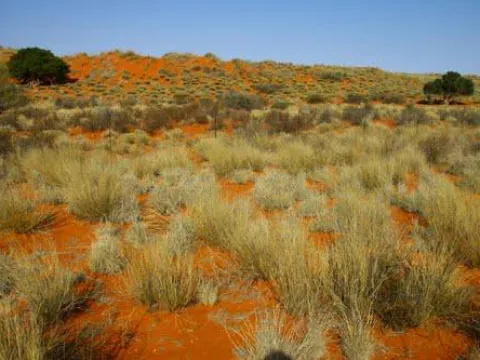
Centropodia
Centropodia
Centropodia is a genus of perennial grasses belonging to the Poaceae family. These plants are recognized for their exceptional ability to thrive in extremely arid environments, making them a subject of interest for agriculture in desert and semi-desert regions.
What the section contains


Centropodia
Originating from the sandy deserts of Africa and Asia, the plant has evolved to colonize dune environments where moisture is scarce and evaporation rates are high. It serves as a natural stabilizer for sandy soils, preventing erosion in harsh weather conditions.
The botanical structure of Centropodia includes deep, robust root systems that access moisture from deeper soil layers. Its physiological processes are highly optimized for water conservation, allowing it to maintain metabolic functions during prolonged periods of heat and solar radiation.
Regarding soil requirements, the plant is highly tolerant of saline and alkaline substrates. It does not demand high nutrient concentrations, often thriving in poor, sandy soils where typical agricultural crops would fail to establish.
In terms of agricultural use, Centropodia is primarily utilized as a forage crop for grazing livestock in remote arid areas. It provides essential fiber for animals and is vital for maintaining the sustainability of pastoral landscapes across its natural range.
Diseases affecting Centropodia are generally linked to moisture management in intensive systems. While the plant is inherently hardy, excessive moisture can encourage fungal pathogens, such as rusts, which may damage the leaves and reduce nutritional value for livestock.
The primary animal pests are locusts and grasshoppers, which can rapidly defoliate pastures during population outbreaks. Strategic grazing management and biological controls are typically preferred over chemical interventions due to the ecological fragility of desert zones.
Overgrazing poses the most significant threat to the long-term viability of Centropodia populations. Without adequate rest periods, the grass cannot replenish its root reserves, leading to a decline in regrowth potential and susceptibility to environmental stress.
Weed competition is rarely an issue in the plant's native, extremely dry habitats. However, in regions where irrigation or unusual weather patterns exist, non-native opportunistic species can compete with Centropodia for available water resources.
Management of these threats involves careful monitoring of pasture health and stocking rates. By preventing over-exploitation, landowners can ensure the persistence of this grass as a reliable and sustainable feed source for livestock even in the harshest climates.