
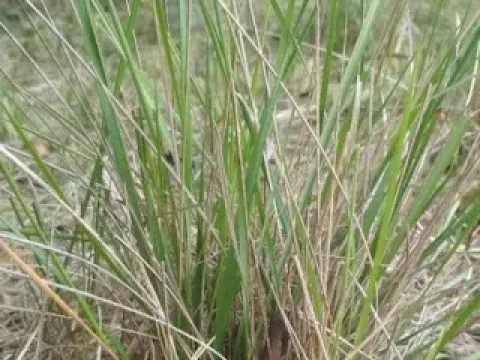
Chaetopogon
Chaetopogon
Chaetopogon is a genus of annual grasses belonging to the Poaceae family. These plants are primarily native to the Mediterranean region, where they have adapted to thrive in semi-arid and open environments, showcasing significant resilience to environmental stressors.
What the section contains

Chaetopogon
The cultural success of Chaetopogon depends on well-drained soil conditions. Sandy or gravelly soils are ideal for this genus, as they prevent the waterlogging that often proves fatal to the root systems of these grasses, especially during their initial growth stages.
Botanically, the plant features slender culms and distinctive spike-like inflorescences. The presence of fine hairs on the glumes gives the flower heads a unique, feathery appearance, which is the defining characteristic for field identification of this specific genus.
Regarding climatic requirements, Chaetopogon favors high levels of sun exposure and moderate temperatures. It is particularly well-suited for regions with distinct dry seasons, as its lifecycle is typically synchronized with the available moisture in the spring.
Cultivation practices involve minimal tillage and low-input management. To ensure a healthy stand, it is essential to manage the plant density properly, allowing for adequate airflow, which is critical for preventing physiological stress in these delicate grass structures.
Common threats to Chaetopogon include fungal pathogens such as rust and powdery mildew. These diseases often emerge when humidity levels remain high for extended periods, severely affecting the foliage and potentially reducing the total forage yield.
Insect pests, including cereal aphids and various grass-feeding larvae, pose a significant risk during the vegetative growth period. Infestations can lead to stunted growth and reduced seed set, which are critical for natural reseeding processes.
Smut fungi can also affect the reproductive structures of the plant. If seeds are intended for collection, it is necessary to treat them or monitor the stand closely to ensure the absence of fungal spores that could compromise future harvests.
Managing these threats requires a proactive approach, focusing on maintaining balanced soil nutrition and avoiding excessive nitrogen applications, which can attract aphids and weaken the plants' natural resistance to diseases.
In extensive grazing systems, protecting the plant from overgrazing is vital. By allowing the plants to complete their reproductive cycle, farmers can ensure the sustainability of the pasture and the continued presence of this grass in the local ecosystem.