
Cenis bluegrass
Poa cenisia
Description
Growing requirements
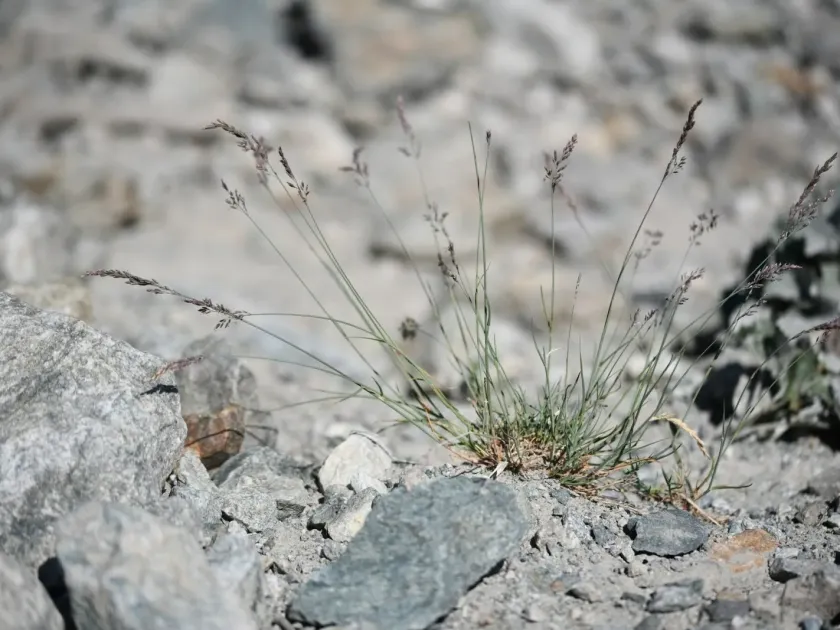
Cenis bluegrass (Poa cenisia) is a perennial grass species belonging to the Poaceae family. It is a highly specialized plant native to the alpine zones of Europe, specifically adapted to thrive in harsh, rocky mountain environments.
The distribution range of this species is primarily concentrated in the higher elevations of the Alps and Pyrenees. It is found in habitats characterized by limestone soils, stony slopes, and alpine grasslands where survival requires significant adaptation to cold and short growing seasons.
Botanically, Poa cenisia is distinguished by its dense tuft-forming habit, which provides excellent soil stabilization in precarious terrain. The plant features narrow, resilient leaf blades and upright inflorescences typical of the bluegrass genus.
This crop requires specific climatic conditions, including cool temperatures and sufficient snow cover during winter for protection. It thrives in well-drained, porous soils and is intolerant of waterlogging or high-temperature stress in the root zone.
In terms of agricultural use, this species is mainly valued for restorative seeding in mountain pastures and erosion control projects. It serves as a vital component in preserving the ecological stability of highland meadows, contributing to forage production in traditional mountain farming.
Main diseases and pests
The primary threats to Poa cenisia include fungal pathogens such as snow mold, which often affects alpine grasses following the melting of winter snow packs, particularly in areas with poor drainage.
Rust diseases are also prevalent, especially in seasons with extended periods of humidity and leaf wetness. These diseases can reduce the photosynthetic capacity of the plants, leading to decreased vigor during the short growing season.
Insect pests such as wireworms represent a significant threat to the root system, potentially causing patchiness in managed mountain meadows. Monitoring the soil health is essential to minimize the damage caused by subterranean pests.
Occasional infestations of grass-feeding aphids may occur during warmer spells in spring, impacting the reproductive success of the grass and weakening the density of the turf.
Integrated management practices, focusing on maintaining balanced soil fertility and proper water drainage, are the most effective strategies for preventing disease outbreaks and pest pressure in alpine grass stands.