
Trachypogon
Trachypogon
Trachypogon is a genus of perennial grasses belonging to the Poaceae family. It is native to tropical and subtropical regions of Africa and the Americas, where it thrives in savannah environments.
What the section contains

Trachypogon
This grass species prefers well-drained, sandy, or rocky soils. It is well-known for its exceptional drought tolerance, allowing it to remain productive in harsh environments where rainfall is scarce or seasonal.
The plant requires high temperatures and abundant sunlight for optimal growth. It is highly sensitive to frost and does not tolerate waterlogged conditions or poorly drained heavy clay soils.
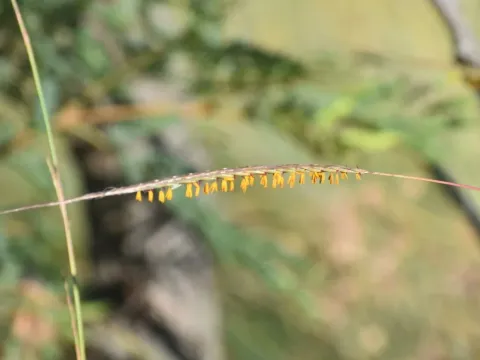
Botanically, Trachypogon forms dense tussocks or clumps. Its leaves are typically tough and linear, while the inflorescence is a distinct solitary raceme, which serves as a key diagnostic feature for identification.
In terms of agricultural utility, it is primarily used as a pasture grass. It is valued for its ability to withstand grazing pressure and its resilience in maintaining soil cover in degraded areas.
The main threats to Trachypogon include various fungal pathogens such as leaf rust, which can spread rapidly under humid conditions and negatively impact forage quality.
Insect pests, including cereal aphids and root-feeding larvae, pose a significant risk to the plant's vigor. They cause damage to young tissues and inhibit the development of the root system.
Weed competition is a major challenge during the establishment phase. If weed density is not controlled, the slow-growing seedlings of Trachypogon can easily be outcompeted and die.
Overgrazing is a significant threat that leads to soil compaction and thinning of the stand. It disrupts the plant's ability to store carbohydrates in the roots, reducing its survival rate after drought.
Effective management includes rotational grazing and controlled burning practices where applicable to stimulate regrowth. Monitoring the stand health ensures long-term viability and productivity of the forage resource.