


Reference · Crops
Timothy-grass
Phleum
The optimal time for sowing Timothy-grass is during early spring, when soil moisture is sufficient to support rapid seed germination and initial root establishment.
6
items
What the section contains
Marketplace
Products in this section · 12




Timothy-grass
Fall sowing is also a viable practice, especially in regions with mild winters, allowing the seeds to benefit from early spring moisture immediately after the thaw.
Often, this crop is established as a nurse crop or in mixture with legumes like red clover, which enhances the nitrogen balance and the overall quality of the pasture.
The seeding rate typically ranges from 10 to 14 kilograms per hectare, depending on whether it is sown as a pure stand or as part of a multi-species forage mixture.
Since the seeds are very small, shallow sowing at a depth of 1 to 2 centimeters is crucial to ensure high emergence rates and prevent seeds from being buried too deep.
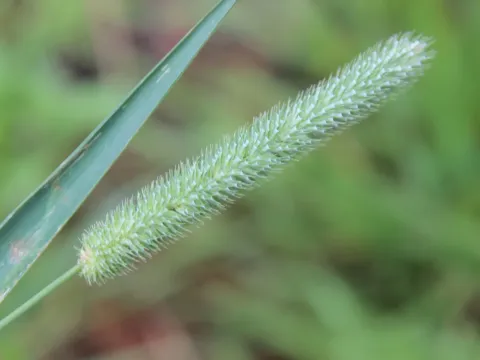
Timothy-grass (Phleum pratense), belonging to the Poaceae family, is a highly popular perennial grass widely cultivated for high-quality hay and pasture production.
The plant thrives in cool, moist climates and is well-known for its excellent winter hardiness, allowing it to withstand severe frost without significant loss.
It prefers fertile, heavy, or moist soils, including loam and clay, and shows remarkable tolerance to periodic waterlogging, making it suitable for floodplain areas.
Conversely, Timothy-grass is sensitive to prolonged drought and high soil acidity, which can significantly stunt its growth and reduce its longevity in the field.
Regular fertilization with nitrogen, phosphorus, and potassium is essential to maintain a dense, productive sward and to ensure consistent yields over several years.
The total yield of Timothy-grass is highly dependent on effective moisture management and soil fertility levels throughout the growing season.
Under favorable conditions and intensive management, it is possible to achieve between 40 and 60 decitonnes of dry hay per hectare from two annual cuts.
As a perennial crop, a well-managed stand of Timothy-grass can remain productive for 5 to 7 years, providing a consistent source of forage for livestock.
Seed yields generally vary from 3 to 6 decitonnes per hectare, requiring careful monitoring of the maturity stage to prevent losses due to seed shattering.
To improve total biomass production, producers often integrate Timothy-grass into systems that include rotational grazing, which helps maintain plant vigor.
The crop is susceptible to several fungal diseases, including rust, leaf spot, and smut, which can affect both biomass volume and the nutritional quality of the forage.
Maintaining a balanced nutrition program and avoiding overly dense stands that trap humidity can help reduce the incidence of these common fungal pathogens.
Insect pests such as the frit fly and various stem-boring beetles can cause significant damage to the shoots, especially during the early developmental stages.
Integrated pest management, including crop rotation and timely harvesting, is recommended to keep pest populations below the economic threshold of damage.
- Rust (Puccinia phlei-pratensis)
- Leaf spot (Heterosporium phlei)
- Frit fly (Oscinella frit)
- Stem-boring beetles
The best time to harvest Timothy-grass for hay is at the early heading stage, when the plants contain the highest concentration of digestible protein and energy.
Delaying the harvest beyond the flowering stage results in increased lignification of the stems, leading to lower digestibility and poorer feed intake by livestock.
Seed harvesting is typically done in two stages: cutting the crop into windrows when the seeds have reached physiological maturity, followed by threshing once dry.
Proper curing in the field is vital to reduce moisture content to safe levels, preventing heating and mold growth during the storage of hay bales.
Efficient baling and storage in well-ventilated areas help preserve the vitamin content and overall palatability of the forage throughout the winter season.