
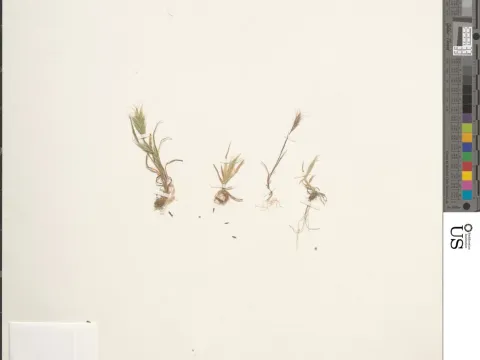
Dwarf brome
Bromus pumilio
Dwarf brome (Bromus pumilio) is an annual or biennial grass crop whose sowing time depends heavily on regional climate zones. The optimal sowing period is early spring, once soil temperatures consistently reach at least 5-8 degrees Celsius.
What the section contains
Dwarf brome
In regions with milder winters, fall sowing is an option, allowing seeds to undergo natural stratification. This technique often results in higher green mass production the following season due to better utilization of early spring moisture.
The seeding rate typically ranges from 15 to 25 kilograms per hectare, depending on the purity and germination rate of the seed batch. Achieving a uniform stand is crucial for both weed suppression and optimal harvest yields.
Seeds should be planted at a shallow depth of 1-2 centimeters. Deeper planting can hinder emergence, as the seeds are relatively small and have limited energy reserves for deep emergence through the soil profile.
Effective weed control during the seedling stage is essential for success. Ensuring a clean, well-prepared seedbed and utilizing certified weed-free seeds are the most important prerequisites for high-density stand establishment.
Dwarf brome, a member of the Poaceae family, demonstrates high adaptability to various soil types, including rocky or nutrient-poor substrates. It thrives best in well-drained locations, as it does not tolerate waterlogging.
This species is highly drought-tolerant, making it an excellent choice for regions with limited rainfall. Its extensive root system allows it to access moisture from deeper soil layers even during hot, dry summer months.
It prefers neutral to slightly alkaline soil conditions. On strongly acidic soils, liming is recommended to improve the availability of essential nutrients, ensuring that the crop reaches its full biomass potential.
The plant is light-demanding and performs poorly in shaded areas. Insufficient light leads to weak, spindly stems and reduced structural integrity, which can decrease the quality of the harvested green mass.
Dwarf brome exhibits a broad temperature tolerance, but the most vigorous growth occurs at temperatures between 18 and 25 degrees Celsius. These conditions promote rapid tillering and robust development during the primary growing season.
The primary use of dwarf brome is for temporary pastures and early-season hay production. Its rapid biomass accumulation makes it an ideal component for forage grass mixtures, providing a quick source of nutrients for livestock.
Green mass yield is highly dependent on nitrogen fertility and moisture availability. Moderate nitrogen application significantly boosts the protein content and overall productivity of the stand during the vegetative phase.
For high-quality forage, the crop should be harvested before or at the very beginning of the heading stage. Delaying harvest leads to stem lignification, which significantly reduces digestibility and the nutritional value for animals.
Hay quality is improved by quick drying techniques, which preserve the leaves and their nutritional elements. Given its moderate regrowth capacity, sufficient rest intervals between harvests are necessary to maintain long-term stand vitality.
With proper management and balanced fertilization, dwarf brome stands can produce consistently good yields, serving as a reliable resource for supplemental forage in livestock farming operations.
Like many grass species, dwarf brome is susceptible to fungal diseases such as rusts and powdery mildew. These issues are most prevalent in seasons with high humidity or frequent morning dew, which creates ideal conditions for pathogen spread.
Pests like cereal flies or grain beetles can pose a risk to young stands during the emergence and early vegetative phases. Regular scouting and early detection are crucial for implementing timely protective measures.
Improperly cured or stored hay represents a significant risk, as moisture can lead to mold development. Ensuring adequate ventilation and monitoring storage facilities helps to preserve the harvest's economic value.
Crop rotation is the most effective preventative strategy against soil-borne pathogens. Avoiding continuous planting of grasses on the same field helps break the disease cycle and maintains soil health.
In cases of severe outbreaks, selective fungicides authorized for forage crops may be used. However, integrated pest management practices should always be prioritized to minimize the need for chemical intervention.
Harvest timing is critical and is dictated by the plant's phenological development. Mowing during the early boot or heading stage ensures the highest possible nutrient content and digestibility for forage purposes.
Utilizing modern mowers equipped with conditioners can significantly shorten the field drying time. This process is essential for protecting the harvested forage from weather damage and retaining its high carotene levels.
For seed production, harvest must occur before the seeds shatter. Dwarf brome has a tendency to shed seeds easily when fully ripe, so monitoring seed moisture content at the time of threshing is vital.
Post-harvest processing involves cleaning and drying the seeds to a moisture level below 15 percent for safe, long-term storage. Properly stored seeds maintain high viability for the next planting cycle.
Adhering to strict harvesting protocols ensures that the resulting fodder meets modern zootechnical standards, reinforcing the status of dwarf brome as a valuable and efficient agricultural crop.