
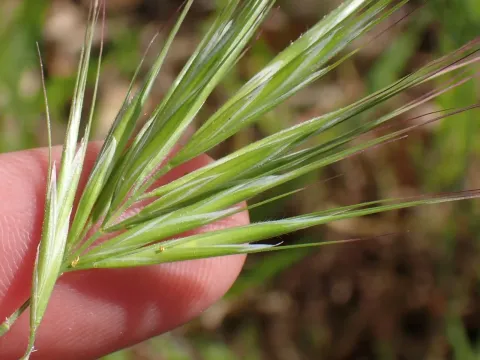
Madrid brome
Bromus madritensis
Madrid brome, or Bromus madritensis, is an annual grass species in the Poaceae family. Sowing typically occurs in the early spring or late autumn, depending on the climatic zone, to ensure the plants establish well before extreme temperatures arrive.
What the section contains
Madrid brome
Seeds should be planted at a shallow depth of approximately 1 to 2 centimeters. Because the seeds are small, they require a well-prepared seedbed that is firm and free from large clods to ensure consistent germination.
The seeding rate is determined by the intended end-use of the crop, whether for erosion control, pasture enrichment, or forage production. Proper calibration of seeding equipment is essential to ensure an even distribution across the field.
Adequate soil moisture at the time of sowing is crucial for uniform emergence. If rainfall is insufficient, light irrigation may be necessary to support the young seedlings during their most vulnerable stage of development.
Rapid root establishment is a key characteristic of this species, allowing it to compete effectively with other vegetation. Once established, the seedlings develop quickly, forming dense stands that cover the ground efficiently.
Madrid brome is well-adapted to Mediterranean-type climates, thriving in areas with mild, wet winters and warm, dry summers. It shows high resilience to variable weather patterns, making it a reliable choice for certain environmental conditions.
The species prefers well-drained, light-textured soils. It performs poorly in waterlogged environments, where roots may be prone to decay. A neutral or slightly alkaline soil pH is generally considered optimal for its growth.
Full sun exposure is required for the plant to reach its full potential. While it can tolerate partial shade, productivity, and seed production will be significantly lower compared to plants grown in full sun conditions.
Although it is drought-tolerant once established, supplemental irrigation during the vegetative growth phase can significantly increase biomass production. Providing balanced fertility, especially phosphorus, helps support robust stem structure.
Maintenance of the soil structure and limiting compaction are important factors for the health of the crop. Rotating the land with broad-leaved crops can also help disrupt pest cycles and improve soil health over time.
The crop is susceptible to various fungal pathogens, with rust and powdery mildew being the most common issues during humid periods. Early detection and targeted fungicide use are effective strategies to manage these outbreaks.
Pests such as aphids and grain bugs can cause significant damage by feeding on young stems and developing inflorescences. Monitoring the crop density and health is essential to minimize potential yield losses.
Root rot pathogens may develop if field drainage is inadequate. Implementing good agricultural practices, such as proper crop rotation and ensuring soil drainage, will naturally mitigate many of these issues.
Herbivory by rodents or other wildlife can sometimes damage stands, particularly in early developmental stages. Fencing or other deterrent methods may be required in areas where wildlife pressure is exceptionally high.
Developing an integrated pest management plan is recommended for larger commercial sites. This involves combining biological controls, cultural practices, and chemical treatments only as a last resort.
For forage production, harvesting should be performed in the late boot stage or early heading. This timing ensures the highest nutritional value, including protein content and digestibility, before the plants produce seed heads.
Seed harvesting requires waiting for the inflorescences to fully mature and turn a light brown color. The timing must be precise to prevent shattering and grain loss, which is a common challenge with Brome species.
Adjusting harvesting equipment to handle light, delicate seeds is vital for success. Clean the harvesting machinery thoroughly between fields to prevent the spread of unwanted weeds or different seed varieties.
Drying the harvested material quickly is essential to prevent mold growth. Using mechanical dryers or forced air ventilation in storage facilities helps maintain the viability and quality of the seeds for future planting.
Storage facilities must be dry, cool, and secure from rodents and moisture. Regular testing of seed viability after storage is a recommended practice to ensure successful germination in the following growing season.