
Luziola
Luziola
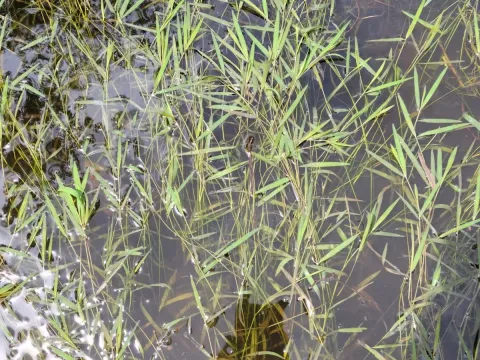
Luziola is a genus of perennial aquatic grasses belonging to the Poaceae family. These plants are uniquely adapted to thrive in flooded environments, typically colonizing the margins of slow-moving rivers, marshes, and shallow ponds.
What the section contains


Luziola
Propagation of this culture is primarily achieved through vegetative growth, as the plant develops robust rhizomes that spread through the substrate. In agricultural settings, division of these rhizomes is the most reliable method for establishing new stands.
When seeding, it is essential to ensure that the water temperature and sunlight levels are adequate. Seeds generally require a period of dormancy followed by consistent moisture to successfully germinate in the silted bottoms of aquatic systems.
The optimal planting time occurs during the spring when water temperatures begin to rise steadily. This ensures that the plants establish a strong root system before the onset of extreme summer heat or seasonal flooding events.
Proper spacing is crucial when introducing the plant into a new area. Allowing enough room for the rhizomes to expand encourages healthier growth and reduces the risk of overcrowding, which can sometimes lead to stunted development.
Luziola is a strict hydrophyte, meaning it requires permanent saturation of the soil. The roots need to be submerged in water to maintain healthy growth, making hydrological stability a top priority for any successful cultivation effort.
The plant thrives in full sunlight. Shade-tolerant species of this genus are rare; therefore, choosing an open area with minimal canopy cover is vital for maximizing biomass production and ensuring regular flowering.
Soil composition should ideally consist of nutrient-rich silt or organic mud. The plants respond positively to nitrogen-rich environments, which support the rapid development of their characteristically long, grass-like foliage.
Water quality is a significant factor in plant health. Stagnant, poorly oxygenated water can lead to root rot and other physiological issues. Periodic circulation or moderate water movement promotes better nutrient absorption.
Maintaining the correct water depth is essential. If the water becomes too shallow, the plants may dry out; if it becomes too deep, the lack of light penetration at the base can lead to the decline of the colony.
Common threats to Luziola include various fungal diseases that proliferate in the high-humidity environment characteristic of marshlands. Leaf spot and rust fungi are frequently identified as primary concerns in dense populations.
Insect pests, including specialized aquatic beetles and aphids, often target the succulent tissues of the stalks. While natural predators usually keep these populations in check, outbreaks can occur in disrupted ecosystems.
Environmental stress is a major risk factor. Changes in water chemistry, such as increased salinity or chemical runoff from nearby fields, can significantly impair the plant's ability to resist natural pathogens and pests.
Preventative management involves regular monitoring of the water quality and physical condition of the plants. Removing heavily infected foliage can help mitigate the spread of fungal spores within the colony.
Integrated pest management is recommended over the use of harsh chemicals. Biological agents, such as beneficial insects that prey on aphids, are preferred to maintain the ecological balance of the surrounding wetland habitat.