
Lusitanian oat
Avena lusitanica
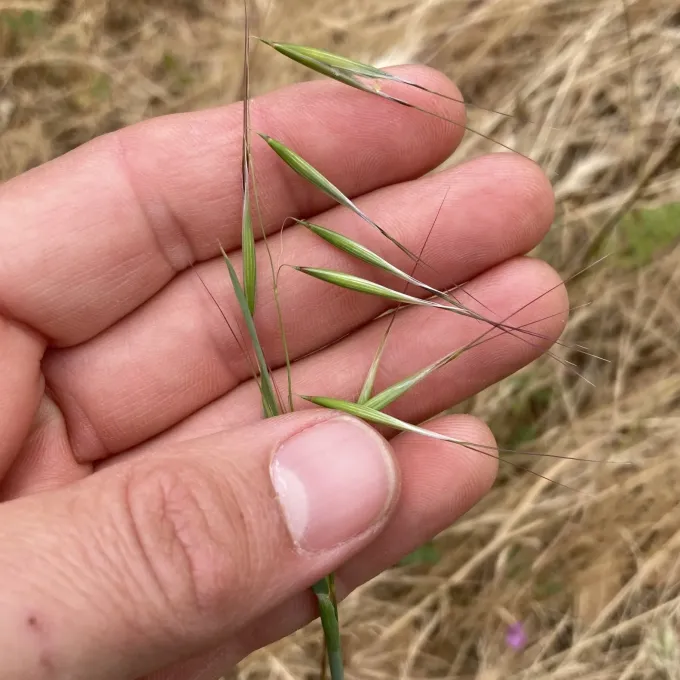
Description
Sowing dates
Lusitanian oat (Avena lusitanica) is a species of the Poaceae family, primarily native to the Mediterranean region, particularly the Iberian Peninsula. It is highly regarded for its adaptation to wild and semi-wild environments.
When cultivated, the sowing period typically aligns with early spring to avoid the harsh summer droughts, allowing the plants to establish their root systems while moisture is still available.
Seeds of this wild oat relative may exhibit dormancy, which can be overcome by stratification or pre-sowing treatment to ensure a uniform emergence of seedlings across the field.
Sowing depth should be kept shallow, approximately 2 to 3 centimeters, to prevent exhaustion of energy reserves in the seed before reaching the soil surface.
Row spacing should be optimized to facilitate aeration and minimize competition for water and nutrients, which is crucial for maximizing biomass production in this species.
Growing requirements
This crop thrives in well-drained soils and is particularly noted for its ability to perform well in lean, nutrient-poor substrates where other cereal crops might struggle.
Lusitanian oat exhibits a strong tolerance for drought, making it an excellent candidate for regions with unpredictable rainfall patterns or long, dry periods throughout the growing season.
It prefers full sun exposure to maintain vigorous growth and prevent the elongation of stems caused by phototropism in search of light when growing in dense or shaded environments.
The ideal climatic conditions involve mild temperatures, although the species can handle significant fluctuations, which is common in its native range of the Iberian highlands.
Soil management should focus on maintaining a near-neutral pH; while the plant is adaptable, extremely acidic soils can inhibit the development of healthy root systems.
Yield
The biomass yield of Lusitanian oat is moderate but consistent, making it a valuable asset in pastoral systems where reliability is often prioritized over maximum intensive production.
In grazing scenarios, the plant provides early spring forage, offering high palatability for livestock before other perennial grasses reach their full peak development.
Seed production can be substantial, but the harvesting phase requires careful monitoring because the species is naturally adapted to shatter its seeds for dispersal.
Integration with other forage grasses in multi-species pastures is the most effective way to utilize this crop, as it stabilizes the forage supply throughout the year.
While not traditionally used as a major grain crop, its role in ecological restoration and permanent pasture maintenance remains its primary agricultural economic value.
Main diseases and pests
The species is susceptible to various fungal pathogens, including crown rust and powdery mildew, which can significantly reduce photosynthetic capacity during humid spring months.
Insect pests such as cereal aphids and shoot flies can cause damage to young plants, potentially leading to stunted growth or reduced stand density if not properly managed.
Wireworms can be a severe threat in newly plowed fields, as they target the underground roots and stems, leading to patches of dead or weak plants in the field.
Effective management includes implementing a diverse crop rotation strategy to break the life cycles of soil-borne pests and reduce the inoculum of common cereal diseases.
Regular field scouting is essential during the vegetative stage to identify early signs of infestation and allow for timely intervention with appropriate control measures.
Harvesting
For forage purposes, the crop should be harvested at the boot stage or early flowering, ensuring that the plant tissue is rich in protein and digestible carbohydrates.
When harvesting for seed, swathing is recommended to allow the crop to ripen uniformly while reducing the risk of shattering and losing a significant portion of the harvest to the ground.
Post-harvest processing involves immediate drying to reduce the moisture content of the biomass, preventing mold growth and ensuring high-quality storage of the forage material.
Cleanliness during the harvesting operation is vital to separate seeds from impurities, which simplifies the drying process and improves the storability of the harvested seed lot.
Proper storage facilities should be cool, dry, and well-ventilated to prevent the heating of stored grain, which can occur due to high moisture levels or insect activity.