
Lygeum
Lygeum
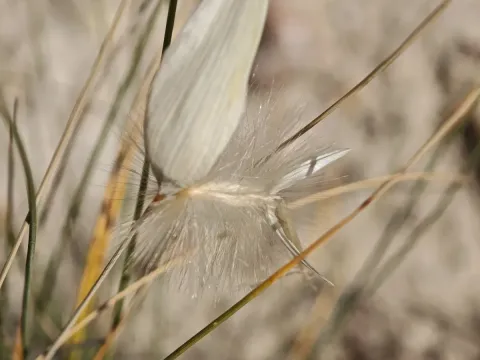
Lygeum (Lygeum spartum) is a perennial grass species belonging to the family Poaceae. It is a monotypic genus, renowned for its resilience in challenging arid and semi-arid Mediterranean environments.
What the section contains

Lygeum
The plant originates from the Mediterranean basin, covering parts of Southern Europe, North Africa, and the Middle East. It thrives in regions characterized by hot, dry summers and unpredictable rainfall patterns.
It prefers well-drained, sandy, or rocky soil types. Lygeum is highly tolerant of saline conditions, which makes it an excellent candidate for land reclamation projects in areas suffering from soil degradation.
The plant features long, fibrous, and tough leaves that are specially adapted to conserve water. Its root system is extensive, providing stability to sandy terrain and helping to prevent desertification.
Economically, Lygeum is primarily known as a source of esparto grass fiber. This high-quality fiber has been used for centuries in the production of high-grade paper, traditional handicrafts, and ropes.
Harvesting usually takes place during the dry season when the fiber content is at its peak and moisture levels are low. This natural timing ensures that the gathered material is easy to process.
The harvesting process involves cutting the grass bunches close to the ground. Manual harvesting is still common, although mechanical harvesting methods are employed on larger, flatter plantations.
After collection, the grass is dried in the sun to reduce weight and moisture content. This step is crucial for preventing fungal growth and ensuring the longevity of the fiber during storage.
Care must be taken to maintain the vigor of the root system during the cutting process. Sustainable harvesting practices allow the plant to regenerate naturally without the need for constant replanting.
The final product, categorized by fiber length and strength, is sorted and bundled for industrial use. The quality of the harvested esparto is highly dependent on environmental factors and the timing of the seasonal harvest.