
Sinobambusa tootsik
Sinobambusa tootsik
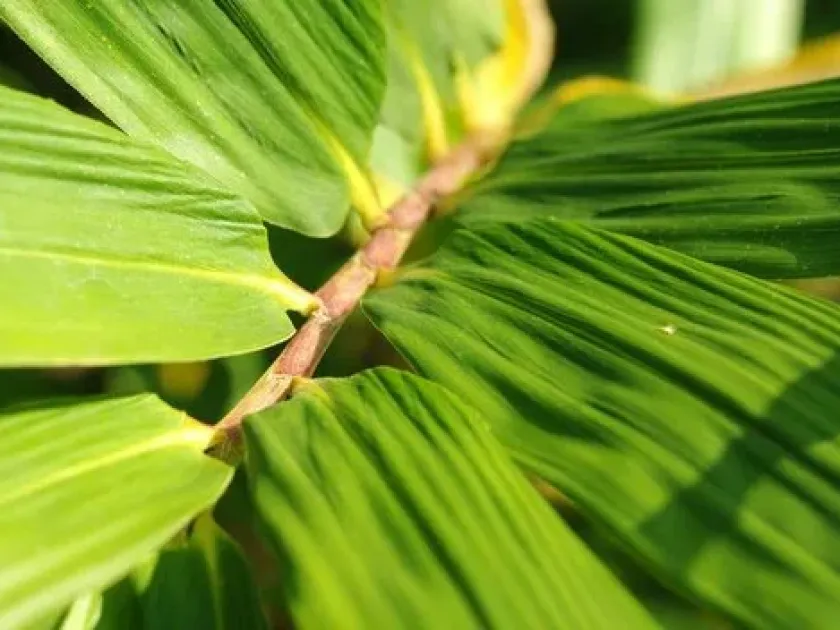
Description
Growing requirements
Sinobambusa tootsik is an elegant, evergreen bamboo belonging to the Poaceae family. Originally from East Asia, this species is highly valued in horticulture for its dense growth habit and architectural presence.
The plant thrives in subtropical climates with high humidity. While it exhibits some cold hardiness, typically down to -12°C, it requires protection from harsh winter winds and deep freezing temperatures to prevent foliage damage.
Ideal soil conditions involve fertile, well-draining, and slightly acidic to neutral substrates. Heavy clay soils that retain water are unsuitable, as they can cause rhizome rot, requiring the installation of drainage systems.
Placement should be in a location that provides partial shade, especially protecting the plant from the intense afternoon sun. This ensures the leaves remain a deep, vibrant green and prevents transpiration stress.
Regular maintenance includes consistent irrigation during the growing season and the application of organic mulch. Mulching helps regulate soil temperature and moisture levels, which is crucial for the development of new culms.
Yield
Sinobambusa tootsik is primarily used for ornamental purposes. It creates excellent privacy screens, windbreaks, and focal points in garden landscapes due to its upright, dense stems.
Because it is a running bamboo, it spreads via rhizomes. Effective containment is essential; installing deep root barriers during planting is a standard agricultural practice to manage its spread across the property.
In certain regions, mature canes are harvested for use in handicraft, weaving, and lightweight construction projects. The culms are known for their strength and relative ease of processing.
Productivity in terms of culm density is encouraged by annual nitrogen-rich fertilization in early spring. This promotes vigorous shoot emergence and maintains the aesthetic density of the bamboo grove.
Annual maintenance pruning is necessary to remove aged or damaged stems. This process encourages air circulation within the grove and maintains the health and vigor of the entire planting.
Main diseases and pests
Common pests include aphids and spider mites, which tend to infest the plant during hot, dry periods. These insects feed on the sap, causing leaf chlorosis and premature drop of foliage.
Fungal diseases, such as powdery mildew or leaf spot, may occur if there is insufficient airflow within the grove. Proper spacing and thinning out dense areas are effective preventive measures.
Root rot is a significant risk in waterlogged soil. Ensuring proper drainage is the most critical factor in preventing subterranean infections and maintaining long-term plant vitality.
Monitoring for signs of stress is vital. If pest populations exceed threshold levels, the application of horticultural oils or targeted insecticides is recommended to mitigate further damage.
Maintaining a clean garden area and removing organic debris from around the base of the bamboo helps reduce the overwintering sites for both pests and fungal pathogens.