
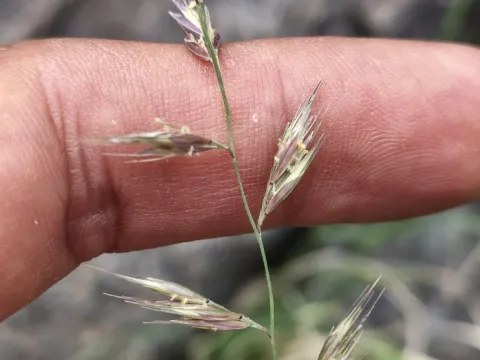
Bouteloua filiformis
Bouteloua filiformis
Bouteloua filiformis, commonly known as slender grama, is propagated by seeds that require moist soil conditions to initiate germination. Sowing typically occurs at the onset of the rainy season to capitalize on moisture availability.
What the section contains
Bouteloua filiformis
Seeds should be planted at a shallow depth to ensure successful emergence, as deep burial significantly hinders the viability of the seedlings. Proper soil-to-seed contact is essential for optimal establishment.
Mechanical sowing methods using specialized grass seed drills are preferred for larger areas to ensure a uniform distribution of the seeds. This method helps maintain a consistent stand density across the field.
Soil temperature plays a crucial role; warm soil temperatures between 20°C and 25°C are ideal for rapid and uniform seedling growth. Cold soil can lead to delayed germination and increased susceptibility to pathogens.
During the establishment phase, it is vital to keep the field free from weeds, as the slow initial growth of Bouteloua filiformis makes it vulnerable to competition from invasive species.
Bouteloua filiformis belongs to the Poaceae family and is highly adapted to arid and semi-arid environments. It thrives in regions with low precipitation and high summer temperatures.
The plant prefers well-drained, sandy, or rocky soil types, which are characteristic of its native habitat in the grasslands of the Americas. It does not tolerate waterlogged conditions.
This grass is known for its high drought tolerance and ability to survive in nutrient-poor soils. It is frequently utilized in range restoration projects to stabilize soil and prevent erosion.
Full sun exposure is mandatory for healthy development. Shady conditions will result in spindly growth and a significant reduction in the plant's forage quality and tiller density.
Minimal fertilization is generally required, though moderate application of nitrogen in the early growing season can boost biomass production on exceptionally poor soils.
The biomass yield of Bouteloua filiformis is dependent on the seasonal rainfall patterns. In years with adequate moisture, it produces a dense, nutrient-rich turf that is excellent for livestock.
The forage value is highest during the vegetative stage, providing essential proteins and minerals. As the plant matures, the nutritional quality decreases, though it remains palatable.
Rotational grazing systems are recommended to maintain the long-term productivity of the stand. Overgrazing reduces the vigor of the root system and limits the plant's ability to recover.
Seed harvest is performed when the inflorescences are fully mature and show a characteristic color change. Due to the small size of the seeds, efficient harvesting requires fine-tuned machinery.
Sustainable pasture management ensures that the grass remains productive for many years, providing a consistent feed source for cattle and other herbivores.
Fungal diseases such as rusts and mildews may affect the grass during periods of high humidity. These infections can reduce the palatability of the forage and weaken the plants.
Insect pests, including grasshoppers and various species of subterranean larvae, can cause significant damage to foliage and root systems, respectively, if populations are not controlled.
Overgrazing is the primary threat to the persistence of the stand. It leads to soil exposure, increased evaporation, and the invasion of opportunistic weeds that outcompete the grass.
Severe frost can damage immature growth, although the mature plants are generally cold-hardy once established in their native range.
Effective management includes regular monitoring for early signs of stress, rotating livestock to allow for rest periods, and maintaining adequate soil health to support plant resilience.