
Bouteloua heterostega
Bouteloua heterostega
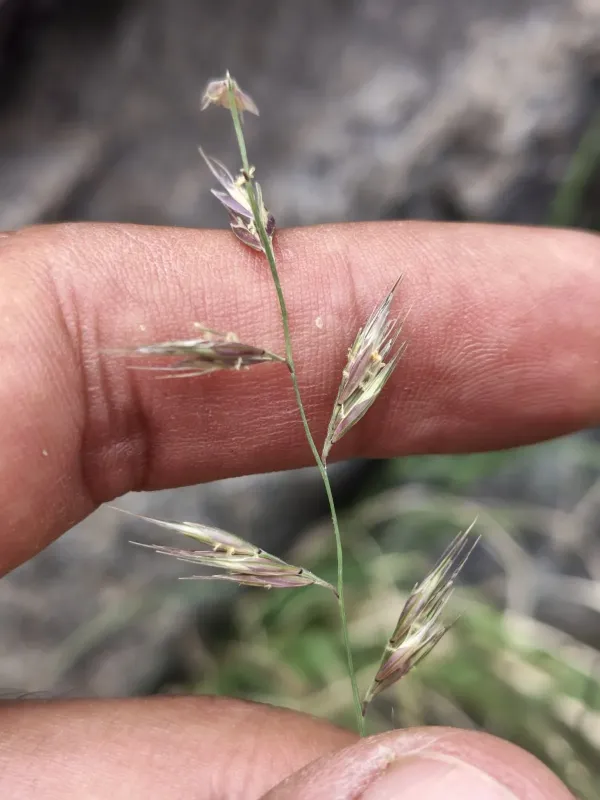
Description
Growing requirements
Bouteloua heterostega is a perennial grass species belonging to the Poaceae family. Native to tropical regions of the Americas, this grass has gained attention in agricultural systems due to its resilience and adaptability to challenging environmental conditions.
The crop thrives in well-drained soils and requires significant solar radiation to maintain peak productivity. It is highly valued for its ability to persist in areas where rainfall is seasonal, as its root system is well-adapted to moisture-deficient environments.
Optimal growth is observed in light-textured soils where root respiration is not inhibited by waterlogging. While the plant can tolerate low-nutrient conditions, supplemental management helps optimize its biomass yield for grazing purposes.
Climate requirements include warm temperatures throughout the growing season. The plant remains dormant during colder or extremely dry periods, recovering rapidly as soon as environmental factors become favorable for vegetative growth.
Botanical characteristics include a tufted growth habit and the production of distinct inflorescences. These structures ensure efficient seed dispersal, contributing to the self-sustaining nature of the crop in pastures and rangelands.
Main diseases and pests
The primary threats to Bouteloua heterostega include fungal pathogens that develop during periods of high humidity and stagnant air. These diseases manifest as foliage lesions that reduce the photosynthetic capacity and overall quality of the forage.
Insect pests can damage the reproductive organs of the grass, particularly during the flowering stage. Such damage significantly reduces seed yield and the ability of the plant to expand its coverage within a designated area.
Overgrazing is a significant risk factor for long-term population stability. Constant pressure from livestock prevents the plant from storing sufficient carbohydrates in its root system, eventually leading to its decline and replacement by invasive weeds.
Competition from unwanted plant species is most acute during the seedling establishment phase. Successful cultivation requires careful management to ensure the crop gains enough ground coverage to suppress potential weed competition.
Environmental stress, such as prolonged soil nutrient depletion, can make the plants more susceptible to opportunistic pathogens. Implementing a balanced crop management strategy is essential to maintaining high-quality forage production over several years.