
Bouteloua megapotamica
Bouteloua megapotamica
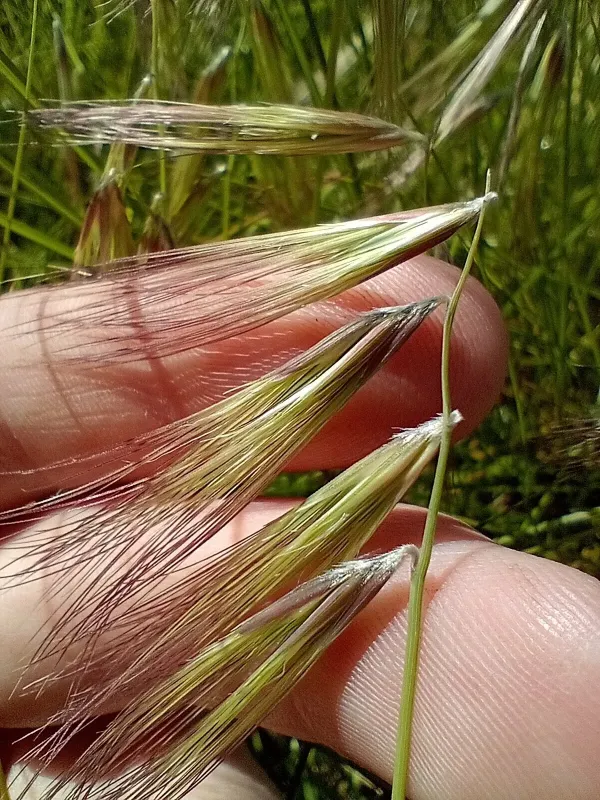
Description
Sowing dates
Bouteloua megapotamica, belonging to the Poaceae family, is a perennial grass native to South American prairies. The optimal sowing time is during the spring season when the soil warms up to 15-18 degrees Celsius, ensuring uniform germination across the field.
For high-quality root establishment, seeds should be sown at a depth of no more than 1–2 centimeters, as the small seed material requires sufficient light for successful germination. Under controlled cultivation, it is essential to ensure even distribution of seeds throughout the area.
Soil preparation should be initiated well in advance by clearing the field of weeds and applying organic fertilizers. Seeds maintain high viability provided they are stored in dry and cool conditions without exposure to moisture.
After sowing, rolling the soil is recommended to ensure firm contact between the seeds and soil particles. This process facilitates capillary moisture rise and prevents young roots from drying out during the critical early development stages.
Growth rates of seedlings during the first year are relatively slow, necessitating diligent weed control measures, as weeds can suppress the young crop by providing excessive shade and competing for soil nutrients.
Growing requirements
This crop exhibits high adaptability to various soil types, though peak productivity is typically achieved on well-drained loamy soils. It is capable of withstanding short periods of drought, making it a promising candidate for regions with unpredictable rainfall patterns.
Optimal climatic conditions for the plant include warm zones with moderate precipitation during the vegetative growth period. It is sensitive to extremely low temperatures, meaning its winter hardiness must be taken into account when cultivating in more northern latitudes.
The plant prefers open, well-lit sites, as shading leads to a sharp decline in biomass production and changes in morphological characteristics. In conditions of limited sunlight, shoots tend to become elongated, and overall density decreases significantly.
Soil pH requirements generally range between neutral values (6.0–7.5). In highly acidic soils, preliminary liming is necessary, as root system development is significantly hindered at low pH levels.
The crop responds positively to moderate applications of nitrogen fertilizers, which stimulate vegetative growth. However, excessive fertilization can negatively impact the grass's resistance to lodging and overall stand health.
Yield
Green biomass yield is directly dependent on the quality of management practices and the level of mineral nutrition provided. Under favorable conditions, the crop is capable of forming a dense and high-yield stand suitable for livestock pasture.
The rate of biomass accumulation depends on the frequency of mowing or the grazing management system used. The optimal period to achieve peak nutritional value occurs before the heading phase, when plant tissues contain the highest levels of sugars and proteins.
Under controlled pasture management, yield can remain stable for a period of 4 to 6 years. A vital factor in maintaining productivity is adhering to rest periods for the pasture stand after intensive grazing or mowing cycles.
To assess yield potential in a specific field, it is recommended to conduct trial cuts on sample plots. Average hay output depends heavily on irrigation intensity and the overall agronomic practices adopted within the local agro-climatic region.
Seed output is also an important metric, especially when the crop is grown for pasture restoration purposes. Harvesting seeds should be done at full biological maturity, when the characteristic darkening of the spikelets is observed.
Main diseases and pests
Typical diseases for this grass species include various types of rust that affect leaf blades under high humidity conditions. To prevent epiphytotic outbreaks, it is important to avoid over-densification of the stand and ensure proper air circulation.
Pests typical of steppe cereal crops, such as grass flies and aphids, can cause damage early in the growing season. Monitoring pest populations allows for timely interventions using biological or chemical control methods.
Root rot represents a significant threat under systematic waterlogging of the soil. Proper drainage and preventing water stagnation are the primary preventive measures against such pathologies in this crop.
Insects that damage generative organs can significantly reduce seed yield. If localized outbreaks occur, it is necessary to limit insect access or apply approved insecticides to protect the seed-bearing stems.
Fungal infection is most often observed in overly dense stands. Regular aeration of the grass stand and adherence to recommended seeding rates are key preventive measures to maintain the overall health of the crop.
Harvesting
Harvesting is primarily conducted for hay or haylage production to secure feed supplies. The optimal time for harvest is the flowering phase, as it achieves the ideal balance between biomass volume and nutritional value for livestock.
When utilized as pasture, it is crucial to avoid overgrazing to protect growing points and ensure rapid regrowth. Rotational grazing is considered the most effective method for managing this crop long-term.
Harvesting technology includes mowing, drying in windrows, and subsequent baling at a moisture content of 14–16%. This ensures the preservation of nutrients and prevents spoilage during storage.
Seed harvesting is carried out using combine harvesters once full maturity is reached. It is important to note that seeds may be prone to shattering if left in the field too long, so precise timing of the harvest is essential.
Post-harvest seed processing includes cleaning of impurities and drying to a moisture level suitable for long-term storage. Quality-processed seed material ensures reliable and uniform germination in the following season.