
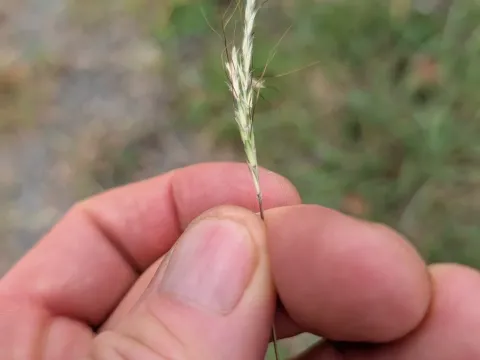
Bothriochloa macra
Bothriochloa macra
Bothriochloa macra, commonly known as red-leg grass, is a perennial grass species belonging to the Poaceae family. It is native to Australia and serves as a significant component of native pastures throughout temperate regions of the continent.
What the section contains
Bothriochloa macra
The botanical structure of the plant is characterized by a tufted growth habit and distinct red-tinted stalks, which often appear during the reproductive stage. Its root system is exceptionally robust, allowing the grass to endure periods of prolonged drought.
In terms of environmental requirements, this grass thrives in full sunlight and prefers well-drained soils ranging from sandy loams to heavier clays. It is highly valued for its ability to persist in low-fertility soils where other species might fail.
Agricultural management of this crop focuses on rotational grazing practices. By allowing the plant to set seed occasionally, producers can ensure the long-term regeneration and density of the pasture, maintaining soil cover and preventing erosion.
The primary use of Bothriochloa macra is for livestock grazing. Although its palatability can decrease as the plant matures, it remains a reliable source of dry matter for cattle and sheep, particularly in warm-season pasture systems.
The species generally exhibits high resistance to common pathogens. However, fungal infections such as rusts may occur if environmental conditions include prolonged humidity combined with poor air circulation within the canopy.
Insect pests, including various aphids and grasshoppers, can occasionally impact growth during the peak of the season. Integrated pest management strategies, such as controlled burning or strategic grazing, are usually sufficient to mitigate these threats.