
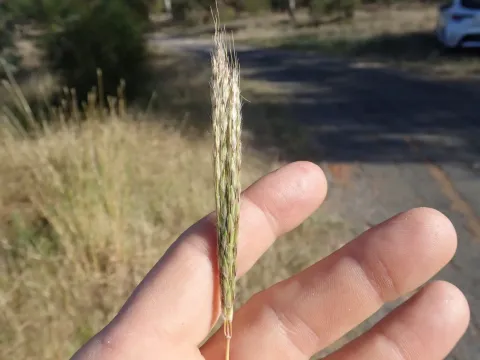
Bothriochloa biloba
Bothriochloa biloba
Bothriochloa biloba is a robust perennial grass species belonging to the Poaceae family. It is known for its strong root system, which provides excellent soil stabilization and resilience in challenging environments, typical of its native Australian habitats.
What the section contains
Bothriochloa biloba
The plant demonstrates significant tolerance to drought and heat, making it a valuable candidate for arid and semi-arid region pasture improvement. It prefers well-drained soil types and can thrive even in nutrient-poor substrates, showcasing its ecological plasticity.
Botanically, it features upright culms and characteristic inflorescences that facilitate efficient seed production. The leaves are relatively hardy, providing sufficient roughage which is essential for healthy cattle digestion in extensive grazing systems.
Agronomic requirements emphasize the need for ample sunlight and proper management of grazing density. As a perennial crop, it requires initial protection during the establishment phase to ensure deep root development before grazing pressure is applied.
Economically, this grass serves as a reliable source of green forage. Its ability to regrow rapidly after defoliation ensures consistent biomass availability, supporting the sustainability of livestock enterprises in drought-prone areas.
Primary threats to Bothriochloa biloba crops involve fungal pathogens that flourish in humid conditions or areas with poor air circulation. Regular monitoring of the foliage helps in the early detection of rusts or leaf spots that can impede growth.
Pest populations, such as grasshoppers and other chewing insects, can cause significant damage during seasonal outbreaks. Integrated pest management strategies are advised to keep populations below economic injury levels without harming local biodiversity.
Overgrazing poses the most significant threat to the long-term viability of the stands. Excessive pressure weakens the plant's carbohydrate reserves in the roots, reducing its ability to recover after periods of environmental stress.
Root rot diseases may develop in compacted or poorly drained soils, leading to reduced vigor and thinning of the stand. Aeration and careful management of livestock density are effective ways to mitigate these soil-related health issues.
Maintaining a healthy stand requires balancing usage intensity with recovery periods. By following rotational grazing practices, producers can significantly extend the productive lifespan of the Bothriochloa biloba population.