
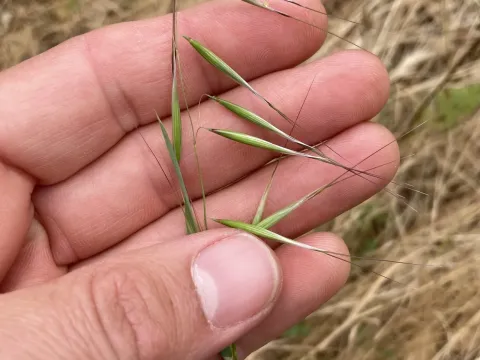
Avena atherantha
Avena atherantha
Avena atherantha, a member of the Poaceae family, is a grass species often studied for its resilience and adaptability. When utilized in agricultural contexts, sowing is typically initiated early in the spring to capitalize on soil moisture levels.
What the section contains
Avena atherantha
The seeds should be sown at a shallow depth, usually around 2 to 3 centimeters, ensuring adequate soil contact. This depth is critical for ensuring that seedlings emerge vigorously without exhausting their nutrient reserves too quickly.
Row spacing should be managed to prevent overcrowding, as Avena atherantha benefits from adequate space to develop a robust root system. Proper spacing also facilitates air circulation, which is vital for reducing the incidence of fungal diseases within the stand.
Early spring seeding aligns with the natural growth cycle of the plant, allowing it to establish itself before the arrival of higher summer temperatures. Consistent soil temperature monitoring is advised to determine the exact timing of the planting operation.
Following germination, it is essential to monitor the field for uniform emergence. If necessary, selective weeding should be performed early on to ensure the young grass is not outcompeted by more aggressive field weeds during its establishment phase.
This crop thrives in well-drained, fertile soils with a neutral to slightly acidic pH. While it is adaptable to various soil types, it performs best in loamy substrates that offer a balance between water retention and aeration.
Avena atherantha is a light-demanding species and should be planted in open areas without significant overhead shade. This exposure is crucial for photosynthesis and the accumulation of biomass necessary for high-quality forage production.
Moderate temperatures are ideal for its development. The plant is well-suited to regions characterized by temperate climates, where it can utilize seasonal precipitation effectively throughout its vegetative growth stage.
Soil fertility management should involve balanced applications of nitrogen, phosphorus, and potassium. Nitrogen application early in the season promotes vigorous leaf and stem growth, which is essential for maximizing yield.
Although resilient, Avena atherantha does not tolerate waterlogged soil conditions. Proper field drainage is mandatory to prevent root rot and ensure that the plant maintains its vigor throughout the growing season.
Fungal pathogens such as rusts are the primary biological threats to Avena atherantha, especially during humid weather conditions. Proactive scouting and the use of resistant varieties can help minimize damage to the crop foliage.
Smut diseases can severely impact seed production by infecting the developing panicles. Seed treatment with appropriate fungicides before planting is a standard and effective preventative measure against these infections.
Pests like cereal flies and aphids can cause significant damage to young plants. Early-stage infestation can stunt growth, while aphid pressure during the heading phase can reduce both the quantity and quality of the yield.
Integrated pest management strategies are recommended, focusing on biological controls and the judicious use of insecticides. Keeping fields clean of host weeds also reduces the reservoir of pests that can migrate into the crop.
Crop rotation remains a key strategy for disease suppression. By rotating Avena atherantha with broad-leaved crops, producers can break the life cycles of specific grass-borne pathogens and insect pests.
For forage or hay production, the harvest should take place at the early heading stage. Harvesting at this point ensures the highest nutritional value, as the plants are high in protein and energy before the fiber content becomes excessive.
Seed harvesting requires careful timing to avoid excessive shattering, which is a common characteristic of wild oat species. The crop should be harvested when the seeds reach the soft dough stage to ensure maturity.
The use of modern harvesting equipment with precise settings is essential to handle the awns (bristles) characteristic of this species. Proper adjustment of the combine settings will ensure efficient threshing without crushing the grains.
Post-harvest, the grain must be dried immediately to a moisture content of 12–14% to prevent mold growth and maintain viability. Storage facilities should be kept cool, dry, and protected from rodents and moisture.
Managing the post-harvest stubble is also important, as it can be incorporated back into the soil as organic matter. This sustainable practice enhances soil structure and adds nutrients for the subsequent planting cycle.