
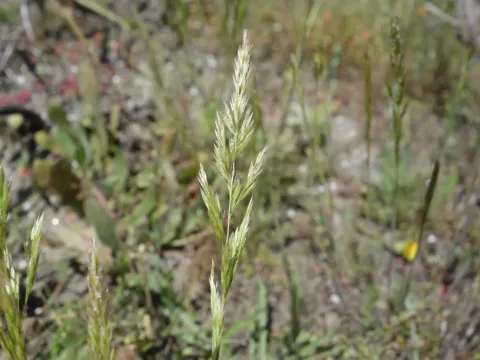
Avellinia
Avellinia
Avellinia is a genus of annual grasses belonging to the Poaceae family. The plant is primarily found in the Mediterranean region, where it has adapted to specific seasonal climates and light, well-draining soils.
What the section contains

Avellinia
As a biological entity, it functions as an ephemeral plant, completing its lifecycle during the spring months to avoid the extreme heat and drought characteristic of Mediterranean summers.
When considering propagation, seeds should be sown in early spring or autumn, depending on the specific regional climate. The seeds require shallow planting depths to ensure adequate access to light and moisture for germination.
Successful establishment relies on moderate soil temperatures, typically ranging between 15°C and 20°C. Maintaining consistent but non-excessive soil moisture is critical during the first few weeks of growth.
In terms of agricultural utility, Avellinia is not typically cultivated as a mass-produced cereal crop, but it holds interest for research into drought-tolerant forage species and biodiversity restoration in arid grasslands.
Avellinia thrives in well-aerated, sandy, or rocky soil types. It is highly intolerant of waterlogged conditions and heavy clay soils, which can cause significant damage to its root structure.
The plant requires high levels of solar radiation to maintain healthy growth. It is strictly a sun-loving species; shaded locations will result in reduced biomass and a weakened ability to produce viable seeds.
Temperature requirements are consistent with typical Mediterranean springs. While the plant can survive short bursts of heat, prolonged exposure to temperatures above 25°C without adequate hydration will lead to stress.
Nutrient requirements are relatively low compared to intensive grain crops. Light fertilization with nitrogen during the early vegetative stage can boost biomass production, but must be managed to avoid lodging.
Soil pH should preferably be neutral to slightly alkaline. The plant does not require complex soil amendments, making it potentially suitable for marginal lands where high-input crops would fail.
The main threats to Avellinia include fungal infections such as rust and powdery mildew, particularly in seasons with prolonged moisture. These diseases can hinder photosynthesis and overall growth.
Pests that commonly impact this species include cereal flies and leaf-damaging insects. These pests feed on the leaves or stems, creating entry points for secondary bacterial or fungal infections.
Preventative measures are essential for protecting the crop. These include regular monitoring for pest activity and ensuring that the field is not overcrowded, which helps facilitate good airflow and reduces humidity.
Proper sanitation of farming equipment is necessary to prevent the introduction of pathogens. If fungal disease pressure is high, selective use of fungicides may be considered, though this is rare for non-commercial stands.
Management of surrounding weed vegetation is crucial, as many weeds act as alternative hosts for the viruses and insects that target wild and cultivated Poaceae species.