
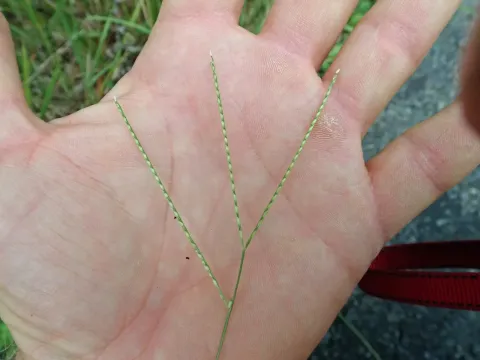
Axonopus
Axonopus
Axonopus is a genus of perennial grasses belonging to the Poaceae family. The most prominent species, Axonopus compressus, is widely recognized for its importance as a forage crop in tropical and subtropical regions across the globe.
What the section contains


Axonopus
The origin of this grass lies in the tropical Americas, yet it has naturalized extensively in similar climates worldwide. It is highly valued for its ability to thrive on acidic, nutrient-deficient soils where many other forage species struggle to establish themselves.
Botanically, Axonopus is characterized by its stoloniferous growth habit, forming a dense turf that is remarkably resilient to heavy grazing and trampling. The leaves are typically linear and smooth, contributing to the plant's overall durability in various agricultural settings.
The crop requires warm temperatures and ample rainfall to reach its full productive potential. While it exhibits good tolerance to moist conditions, it can be sensitive to prolonged drought, which necessitates careful irrigation management in regions with distinct dry seasons.
In terms of agricultural use, Axonopus is primarily employed as a pasture grass for livestock. Its ability to create a persistent, weed-suppressing carpet makes it a sustainable choice for extensive grazing systems, especially in environments with highly weathered soils.
Axonopus faces pressure from various soil-borne pests, particularly beetle larvae that feed on the roots, which can weaken the integrity of the turf layer. Regular scouting of the pasture is essential to detect pest infestations before they cause significant damage.
Fungal leaf diseases are the most common pathological threats, often exacerbated by high humidity and poor air circulation within the dense canopy. These infections can lead to leaf spotting and a decline in the nutritional quality of the forage provided to animals.
To mitigate the impact of diseases, rotational grazing is highly recommended. This practice prevents the grass from becoming overly tall and dense, which in turn reduces the microclimate favorability for fungal pathogens and promotes faster regrowth.
Weed management in Axonopus pastures is usually minimal due to the aggressive spreading nature of the grass. Its competitive root system and rapid growth habit allow it to naturally displace most invasive weed species, provided the grazing pressure is appropriately managed.
Integrated management plans for Axonopus include maintaining optimal soil fertility levels. Proper fertilization not only boosts yield but also strengthens the plant's natural defense mechanisms against common environmental stressors and local pathogens.