
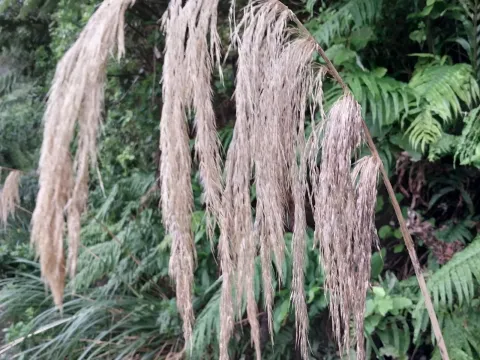
Austroderia
Austroderia
Austroderia is a genus of large perennial grasses belonging to the Poaceae family, native to New Zealand. Formerly confused with the genus Cortaderia, these plants are renowned for their imposing structure and large, feathery inflorescences that provide significant aesthetic value to landscapes.
What the section contains


Austroderia
Botanically, Austroderia species form large tussocks characterized by long, narrow, and often serrated leaves that can be quite sharp. The inflorescence is a dense, elegant panicle that rises high above the foliage, making the plant a focal point in any garden or naturalized area.
The cultural requirements for Austroderia involve well-draining soil and a position in full sun. While they are relatively adaptable to various soil types, they thrive in fertile, loamy substrates that maintain moisture without becoming waterlogged. Proper drainage is essential to prevent root rot.
Regarding climate, these grasses prefer temperate conditions. They are hardy to a certain degree, but young plants may require protection during severe winter frosts. They are naturally adapted to open environments and function best when planted in areas with good air circulation to avoid fungal buildup.
The primary use of Austroderia is ornamental. It is widely used in landscape design for large-scale plantings, as a specimen plant, or to provide architectural structure in gardens. Due to its size and growth rate, it is an excellent choice for areas requiring permanent, year-round green coverage.
Austroderia is generally robust, but it can be susceptible to fungal diseases such as leaf rust and powdery mildew. These issues often arise in conditions of high humidity or poor air movement, particularly when plants are crowded too closely together.
Common pests include aphids and spider mites, which typically attack the plant during hot, dry spells. Monitoring the health of the leaves is crucial, and early intervention with organic or synthetic insecticides can effectively manage localized infestations.
Wind damage can cause the leaves to split, which may expose the plant to opportunistic pathogens. To minimize this, selecting a site that offers some protection from extreme gale-force winds is highly recommended for maintaining the visual integrity of the foliage.
Root rot represents the most significant threat to the plant's long-term survival, especially in heavy or poorly drained soils. Improving soil structure through the addition of grit or organic matter can prevent the accumulation of moisture around the base of the plant.
Maintenance practices, such as clearing away dead foliage and debris from the base of the plant in late winter, are essential. This practice not only improves the appearance of the tussock but also removes potential overwintering sites for both pests and disease-causing fungi.