
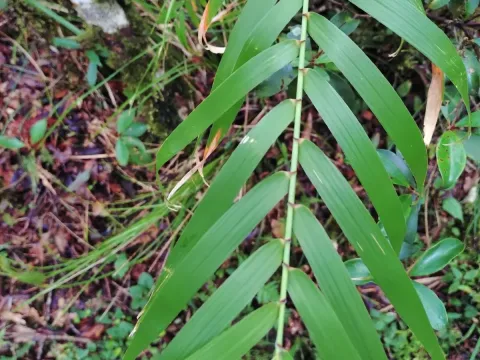
Arundo formosana
Arundo formosana
Arundo formosana is a perennial grass species belonging to the family Poaceae. Native to Taiwan and specific regions of East Asia, it is recognized for its slender, elegant stalks and long, arching leaves that differentiate it from the more robust Arundo donax, making it a valuable addition to both agricultural and ornamental landscapes.
What the section contains
Arundo formosana
The plant thrives in subtropical climates, favoring environments with high humidity and constant access to water. Its natural habitat includes riverbanks, moist valleys, and stream edges, which dictates its primary requirement for soil moisture throughout its active growing season to ensure optimal biomass production.
Cultivation requires well-drained, fertile soil, ideally with a neutral to slightly acidic pH level. While the plant loves water, it is susceptible to root rot if the soil becomes waterlogged for extended periods, especially during cooler months when growth naturally slows down significantly.
As a warmth-loving species, Arundo formosana performs best in regions without severe frosts. In colder zones, the plant may require protection during winter to prevent the freezing of the root crown, which is vital for the perennial survival of the clump-forming grass.
Beyond its aesthetic appeal, this species has potential in biomass production and environmental engineering. Its root systems are exceptionally effective at soil stabilization, and its ability to absorb excess nutrients from water makes it a useful tool in bio-filtration and constructed wetland projects.
Common fungal diseases affecting this crop include various leaf spot pathogens and rusts, which thrive in stagnant, high-humidity environments. Proper spacing between plants is essential to ensure adequate airflow and reduce the humidity levels that favor these infections.
Pests such as spider mites and aphids are the primary threats during the hot, dry spells of the summer. They tend to colonize the underside of the leaves, causing chlorosis and reducing the photosynthetic potential of the plant if not controlled through targeted management.
Stem rot is a significant concern if the plants are damaged mechanically or if they are planted in poorly drained soil. Ensuring that only clean, disease-free rhizomes are used for propagation is the most effective way to prevent the establishment of these soil-borne pathogens.
Effective management also involves regular thinning of the clumps to remove dead or diseased biomass. This practice not only rejuvenates the plant but also significantly lowers the inoculum levels of spores that could otherwise spread throughout the entire plantation.
Integrated pest management strategies are recommended, focusing on maintaining plant vigor through appropriate irrigation and nutrient supply. Early identification of stress signs is crucial, as the density of the growth can sometimes mask the initial stages of pest infestation.