
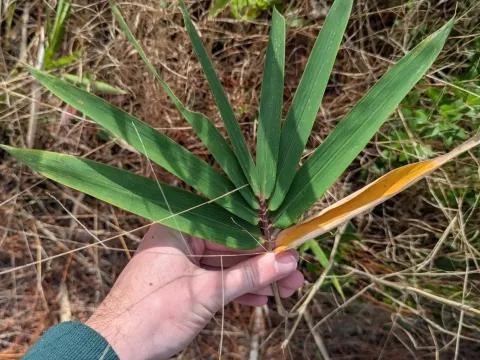
Arundinaria
Arundinaria
Arundinaria is a genus of perennial, evergreen, woody plants belonging to the Poaceae family. It is widely recognized as a type of bamboo known for its creeping rhizomes and erect, slender stems that can create dense, visually striking colonies in various landscape settings.
What the section contains


Arundinaria
The native distribution of these plants includes subtropical and temperate regions of East Asia, as well as parts of North America. They thrive in environments that mirror their natural forest habitats, characterized by high humidity levels and consistent moisture, which are critical for maintaining the plant's health and aesthetic appeal.
Optimal growth requires well-drained, fertile soil with a slightly acidic to neutral pH. Arundinaria is particularly sensitive to soil waterlogging; therefore, incorporating organic matter and ensuring proper drainage is essential for healthy rhizome development and preventing root rot.
Regarding climate, while some species are hardier than others, most Arundinaria varieties prefer mild temperatures and protection from harsh, desiccating winds. In colder climates, establishing the plants in sheltered positions and providing winter mulch is necessary to prevent freeze-thaw damage to the shallow root system.
Management practices involve regular spring fertilization with nitrogen-rich compounds to encourage vigorous culm production. Due to the invasive nature of the root systems of certain species, it is highly recommended to install root barriers during planting to contain the bamboo within the desired boundaries.
The primary utility of Arundinaria lies in its decorative potential for horticultural use, frequently serving as an excellent screen, windbreak, or focal point in gardens. Beyond ornamental value, the culms are historically and practically harvested for crafting lightweight furniture, walking sticks, fishing rods, and intricate basketry.
The most common disease issues include fungal leaf spots and rust, which are typically exacerbated by poor air circulation and excessive leaf moisture. Maintaining spacing between plants and keeping the foliage clean can significantly mitigate the risk of these fungal infections spreading.
Pest management focuses on identifying and controlling common sucking insects like aphids and spider mites, particularly during dry, hot spells. Utilizing horticultural soaps or systemic insecticides is often effective, provided that the underlying environmental stress factors, such as humidity and water availability, are corrected.