
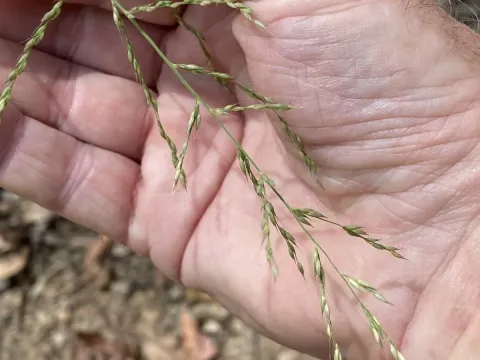
Arundinella
Arundinella Raddi
Arundinella (Arundinella Raddi) is a perennial grass belonging to the family Poaceae. It is widely distributed across tropical and subtropical regions of Asia, Africa, and the Americas, often found in meadows and along water bodies.
What the section contains

Arundinella
This crop thrives in warm climates, requiring temperatures between 20°C and 30°C for optimal photosynthetic activity. It is highly photophilous and performs best when planted in areas with direct sunlight and adequate air circulation.
The ideal soil for Arundinella is a well-drained loamy soil with a slightly acidic to neutral pH. While it shows some drought tolerance, consistent moisture availability during the early growth stages is essential for establishing a robust root system.
Agronomic practices for this plant involve systematic pruning or grazing management to maintain the plant in its vegetative state. Nitrogen-rich fertilizers are recommended during the early growth season to ensure high forage yield.
The economic value of Arundinella lies in its role as a forage crop for livestock and its environmental function in soil conservation. Its dense root structure makes it an excellent choice for stabilizing embankments and preventing soil erosion.
Common plant diseases affecting Arundinella include leaf rust and powdery mildew, which are particularly prevalent in high-humidity environments. Maintaining proper spacing and air ventilation is critical for preventing fungal outbreaks.
Insect pests such as grasshoppers and aphids are known to feed on the foliage, potentially reducing overall biomass quality. Integrated pest management strategies should be implemented to control outbreaks without harming beneficial fauna.