
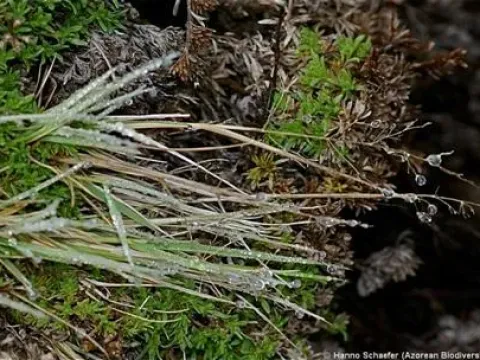
Agrostis congestiflora
Agrostis congestiflora
Agrostis congestiflora is a perennial grass species belonging to the Poaceae family. This species is recognized for its ability to thrive in specialized ecological niches, particularly in mountain meadows and subalpine zones, where it contributes to the structural integrity of the local vegetation cover.
What the section contains
Agrostis congestiflora
The plant requires moderate soil moisture and performs optimally in environments with good drainage. It is highly valued for its dense root system, which plays a crucial role in soil stabilization and erosion control, especially on sloped terrains where the plant is native.
Regarding soil fertility, Agrostis congestiflora benefits from soils with a balanced nutrient content. Although it can survive in relatively nutrient-poor conditions, top-dressing with nitrogen-based fertilizers during the early growth stages significantly enhances biomass production for grazing purposes.
Climate requirements involve adaptation to cooler temperatures and varying light intensities typical of mountainous habitats. The species demonstrates remarkable cold hardiness, allowing it to maintain dormancy during harsh winter conditions and resume vigorous growth early in the spring season.
Botanical identification is based on its congested panicles and slender leaves, which form a thick sod layer. These characteristics make it a resilient grass species that is well-suited for inclusion in grassland management programs, particularly in regions where environmental protection and forage quality are both priorities.