
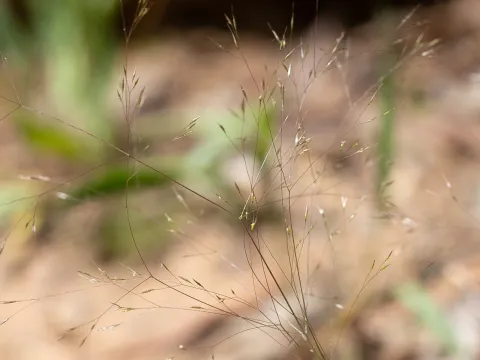
Agrostis aemula
Agrostis aemula
Sowing of Agrostis aemula is best carried out in early spring when the soil retains sufficient moisture. An optimal temperature range for germination is between 10°C and 15°C, ensuring a strong start for the seedlings.
What the section contains
Agrostis aemula
A well-prepared and compacted seedbed is essential for this species due to its small seed size. Seeds should be planted at a shallow depth of approximately 1–1.5 cm to ensure proper coverage without hindering emergence.
The seeding rate typically ranges from 6 to 10 kg per hectare in pure stands. When incorporating the species into seed mixtures, the rate should be adjusted based on the competitive characteristics of the other forage varieties present.
Post-sowing rolling is a critical practice for Agrostis aemula. This process facilitates essential seed-to-soil contact, which significantly improves germination rates and ensures a uniform stand across the field.
Late autumn sowing is also an option in certain regions, allowing the seeds to undergo natural stratification. This helps synchronize germination in the following spring and strengthens the overall vigor of the young plants.
Agrostis aemula, a member of the Poaceae family, exhibits excellent ecological flexibility. It thrives in moderately moist environments and performs best on well-drained loamy or sandy soils with a neutral pH.
While the plant is relatively tolerant of short dry spells, consistent soil moisture during the growing season is necessary to maximize biomass production. It is not suitable for waterlogged or poorly drained conditions.
This grass species is noted for its high winter hardiness, allowing it to adapt to diverse climatic zones. Its ability to withstand temperature fluctuations makes it a reliable choice for consistent forage production.
Regarding light, Agrostis aemula prefers open areas with good solar exposure, although it maintains moderate growth in partial shade. It is well-suited for intensive pasture management and managed grazing systems.
Effective fertilization programs include spring nitrogen applications to stimulate vegetative growth and autumn potassium/phosphorus applications to support root development, which is vital for long-term stand longevity.
The yield of Agrostis aemula depends heavily on agronomic management, specifically nutrient levels and moisture availability. Under intensive cultivation, it can support multiple harvests within a single season.
For pasture use, productivity is measured by the plant's ability to regrow quickly following grazing. Its high leaf-to-stem ratio contributes significantly to the nutritional quality and palatability of the forage.
Average biomass yields typically range from 15 to 25 tonnes per hectare depending on soil fertility and management intensity. These yields remain stable provided that soil nutrients are adequately replenished after each harvest.
Seed production requires a specific management approach, prioritizing late-season growth to allow full maturation of the inflorescences. Harvesting should occur once the seed heads have reached full biological ripeness.
Economic success in farming this culture is driven by efficient machinery use and adherence to harvesting schedules. Proper care during the establishment phase directly correlates to higher yields in subsequent years.
Fungal diseases, including rust and powdery mildew, are primary threats during periods of high humidity and poor air circulation. Maintaining proper field hygiene and avoiding overly dense planting helps mitigate these issues.
Common pests such as cereal aphids and fly larvae can impact early development stages. Continuous monitoring of the field allows for timely intervention if pest populations reach economic injury levels.
Weed competition is a significant concern during the establishment year. The use of pre-emergent or selective post-emergent herbicides can help keep the stand clean and reduce competition for vital nutrients.
Inappropriate grazing intensity can lead to root system depletion and stand thinning. Implementing rotational grazing patterns ensures the longevity of the pasture and the sustainability of the yield.
Root rot pathogens are more common in poorly drained, compacted soils. Improving drainage and ensuring crop rotation are effective preventive measures against these soil-borne threats.