
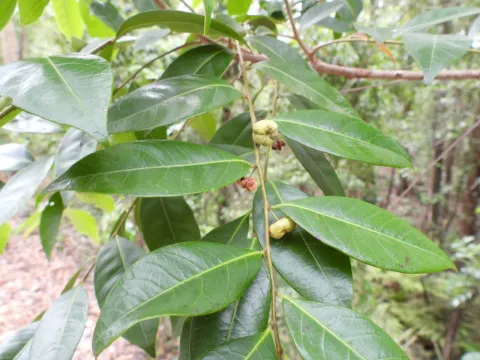
Phyllanthus ferdinandi
Phyllanthus ferdinandi
Phyllanthus ferdinandi, belonging to the Phyllanthaceae family, is a notable species native to the tropical and subtropical regions of Australia. Often referred to as the Queensland Silver Quandong, this tree naturally thrives in gallery forests and along riverbanks, showcasing a strong affinity for moist environments.
What the section contains
Phyllanthus ferdinandi
Regarding soil requirements, the species performs best in deep, fertile, and well-drained soils. While it demonstrates resilience to varying soil textures, ensuring adequate organic matter content promotes faster vegetative growth. A slightly acidic to neutral soil pH is ideal for nutrient uptake and overall plant vigor.
The climate must be frost-free to support the healthy growth of Phyllanthus ferdinandi. It thrives in high-temperature conditions and requires consistent sunlight for canopy development. In agricultural settings, it is essential to protect young saplings from extreme wind exposure and direct scorching heat until they are fully established.
Agronomic practices for this culture emphasize irrigation management during the establishment phase. Using mulch around the base helps retain soil moisture and suppresses weeds, which could otherwise compete for nutrients. Regular light pruning helps maintain a balanced structure, especially when managing the tree for harvestable biomass.
The plant has diverse хозяйственное (economic) utility. Beyond its ecological role in erosion control and habitat restoration, its fruits are studied for their high antioxidant profile. The wood is also utilized in local carpentry, and the species is becoming increasingly relevant in sustainable agroforestry systems.
The primary threats to Phyllanthus ferdinandi include fungal infections, such as leaf spot and mildew, particularly in regions with high humidity and stagnant air. These diseases can compromise leaf health and reduce the overall photosynthetic capacity of the plant if left unchecked during the growing season.
Pests such as scale insects and spider mites are frequent invaders in nursery settings and younger orchards. These sap-sucking insects can lead to yellowing leaves and stunted development. Implementing a regular monitoring program allows farmers to intervene with targeted biological or chemical treatments promptly.
Root rot is another significant concern, primarily triggered by waterlogging. Ensuring that planting sites have optimal drainage is crucial for preventing pathogens from attacking the root system, which can cause sudden decline in seemingly healthy, mature trees.
Environmental stressors like prolonged drought or mechanical damage from storms can weaken the tree's natural resistance. Maintaining tree health through balanced nutrition and proper spacing helps the plants withstand these challenges better, reducing the need for intensive chemical applications.
Integrated pest management (IPM) is the recommended approach for this culture, focusing on the encouragement of beneficial insects that naturally predate on common pests. By maintaining a healthy ecosystem within the plantation, farmers can achieve sustainable yields while minimizing the negative impact of traditional chemical controls.